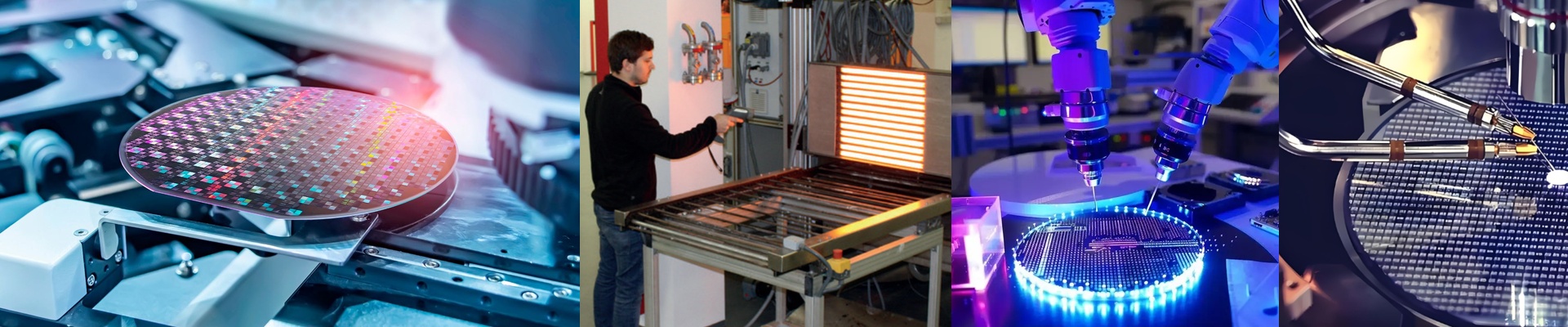
Why we switched to IR for curing biosensors and chips
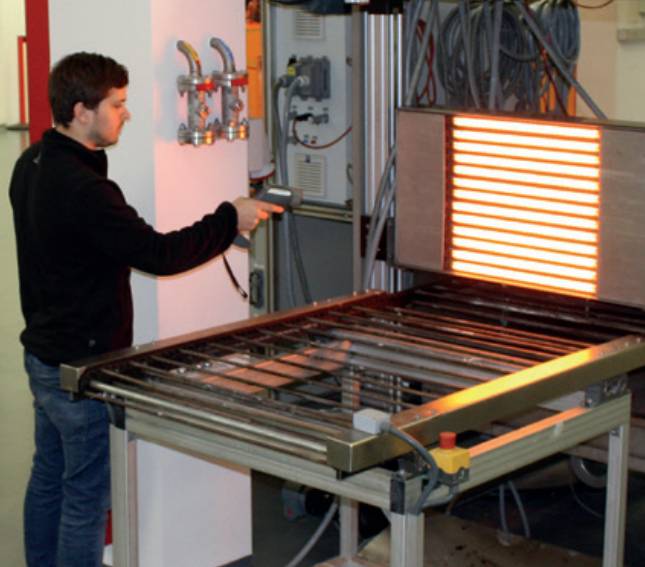
When you’re building biosensors, the curing stage is where things usually get stressful. You need the substrates stable and the chemical layers activated, but doing that without ruining the whole batch is a balancing act. That’s why we use short-wave infrared (IR) lamps. Instead of trying to heat up the air around the part, IR goes straight for the material itself. It’s a different way of thinking about physics, and it’s exactly why IR has become the go-to for eco-friendly, lead-free semiconductor lines. The problem with the “big oven” approach Think about a traditional convection oven. You’re basically spending a ton of money to heat a giant box of air. It’s wasteful. Plus, to get the heat to distribute evenly, you often have to lean on chemical additives or lead-based fluxes. IR is different. It uses electromagnetic radiation that hits the specific absorption bands of the biosensor materials. It’s instant. You turn it on, it heats up; you turn it off, it cools down. No idling heaters humming away in the background and no wasted kilowatt-hours. Dealing with the lead-free push The industry is moving away from lead (Pb-free), which sounds great—and it is—but it makes the engineering harder. Lead-free solders and adhesives are picky. They need higher temperatures and a much tighter thermal window. If your temp swings even a little too far, you’re looking at warped substrates or a fried bio-active layer. That’s a nightmare. Our IR systems solve this by focusing high-intensity heat exactly where it needs to go. You can hit that perfect curing temperature without turning the entire machine chassis into a radiator. It keeps the cleanroom cooler and shrinks your carbon footprint at the same time. The reality of setting it up The best part? You can reclaim your floor space. You get to swap out a massive, clunky oven for a compact array of lamps. But here is the catch: IR is line-of-sight. If your biosensor trays have weird shapes or parts that overlap, you’re going to end up with cold spots. You can’t just “set it and forget it.” You have to be obsessive about your reflector angles and how the lamps are spaced to make sure the wafer cures evenly. Even a few millimeters of difference between the lamp and the substrate can throw off your cure rate. My advice? Use a precision jig. Lock your parts in place so they don’t budge, and you’ll be golden.