

The Real Deal on IR Curing for Bio-Sensors and Chips
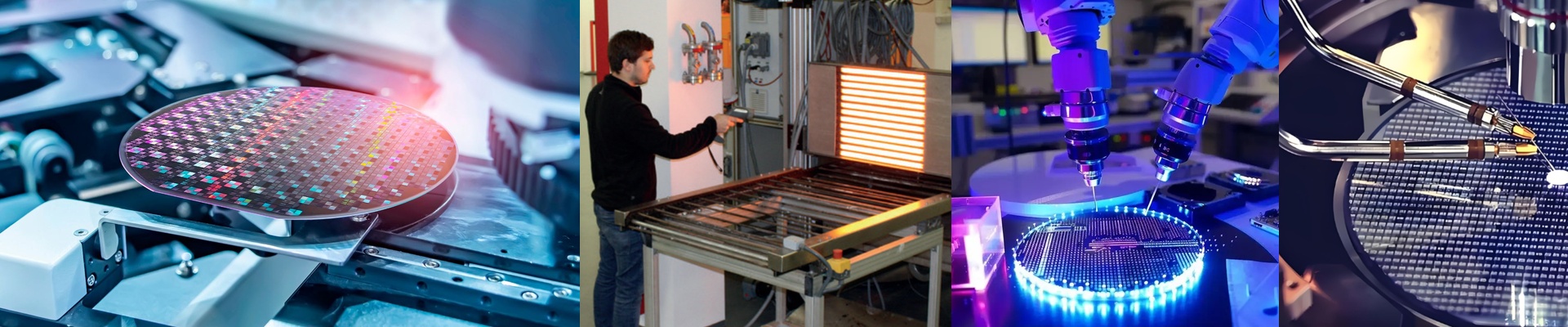
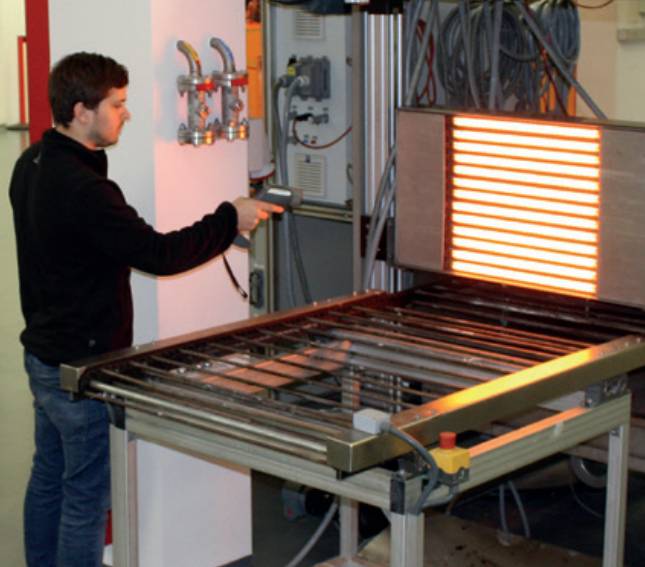
When you’re building bio-sensors, you’re walking a tightrope. You need enough heat to cure your polymers and adhesives, but if you push it too far, you’ll fry those delicate organic layers. It’s a balancing act. That’s why we lean on short-wave infrared (IR) lamps. Instead of heating up a giant oven and hoping for the best, IR sends energy straight into the substrate. It’s direct. It’s efficient. Stop heating the air Think about traditional convection drying. You’re basically spending a fortune to heat up a room full of air just to warm up a tiny wafer. It’s a waste. Plus, moving all that air around is just a great way to blow dust and contaminants right onto your work. IR is different. It uses electromagnetic radiation to hit the exact absorption bands of your material. You get a fast ramp-up, which means you’re using way less power per wafer. And since there are no combustion gases or nasty solvents involved, it actually keeps your plant “green” without you having to jump through hoops. Keeping things clean In a bio-sensor line, one tiny speck of dust can kill an entire batch. It’s frustrating. Because IR systems are closed-loop, you don’t have those forced-air currents kicking up debris in your cleanroom. It’s just a steady, repeatable stream of heat. You can even tune the wavelength. This is the secret sauce—it lets you cure the surface without letting the heat sink too deep and torching the circuitry underneath. The catch (and how to fix it) Now, it’s not all magic. High-intensity IR is powerful. Really powerful. If your substrate is too thin, you run the risk of “hot spotting” or warping the whole thing. You can’t just set it and forget it. You have to be precise with your conveyor speed and how far the lamps are from the target, or you’ll end up overheating the edges. My advice? Don’t wing it. Use a closed-loop pyrometer to watch your surface temperatures in real-time. If you don’t, the energy density is so high that you’ll overshoot your window before you even realize something is wrong.