
Why we switched to IR for curing bio-sensors
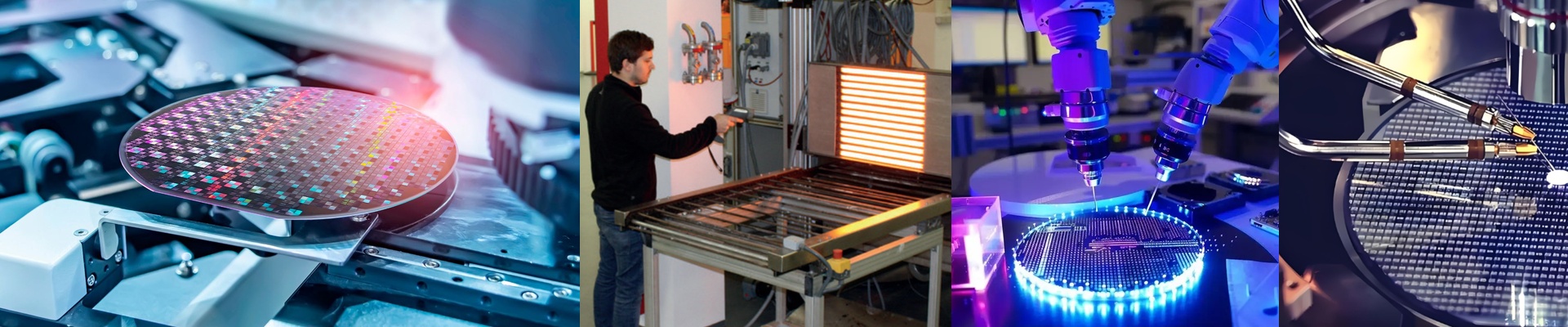
When you’re making bio-sensors, you’re basically walking a tightrope. You need enough heat to cure those sensitive organic layers, but if you go too far, you’ll fry the substrate. That’s why we stopped messing around with forced hot air and moved to infrared (IR) lamps. Here is the deal: convection ovens are clunky. They heat up the entire room just to warm up one tiny part. Plus, blowing hot air around a cleanroom is a great way to kick up contaminants you don’t want anywhere near your sensors. IR is different. It uses radiation to put energy exactly where it needs to go. No wind, no dust, just heat. It’s fast. Really fast. We went from waiting hours for a cure to waiting seconds. Because the sensor materials soak up the energy directly, you aren’t wasting time or electricity heating the air around the workpiece. It feels a lot leaner. It fits right in with the push for lead-free, “green” manufacturing because we’re skipping the nasty solvent-based drying. We just use specific IR wavelengths to trigger the polymerization. Simple. The trick is in the tuning Lead-free stuff is finicky. The temperature window is tiny. If you overshoot it, your sensor base warps and the whole batch is scrap. With IR, we can actually dial in the wavelength—shortwave or medium-wave—to match the specific coating we’re using. It’s like tuning a radio until the signal is crystal clear. But it’s not all magic There is a trade-off. High-intensity IR hits hard and fast. If your sensor is made of materials that expand at different rates, that rapid heat spike can cause the layers to peel apart. It’s called delamination, and it’s a nightmare. The secret is in the cooldown. You have to be really intentional about how you ramp the temperature back down so you don’t shock the material. If you’re still using those old resistive heaters, these lamps are pretty much a drop-in replacement. You plug them into your existing PLC and you’re good to go. The best part? You’ll see your power bill drop because the energy spikes only when you’re actually curing, not during some long, boring pre-heat phase.