
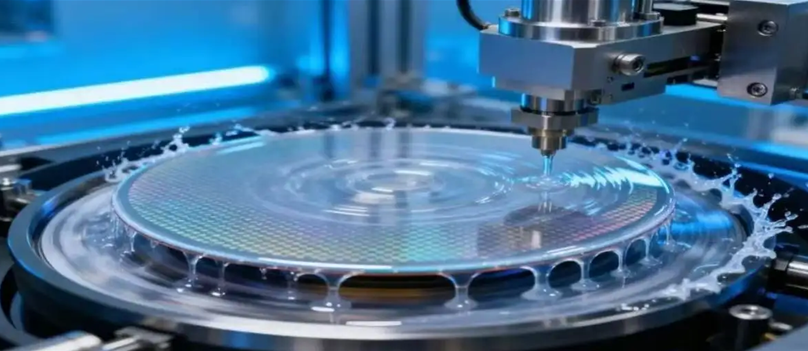
Stop Heating Your Machine Walls (and Start Heating Your Wafers)
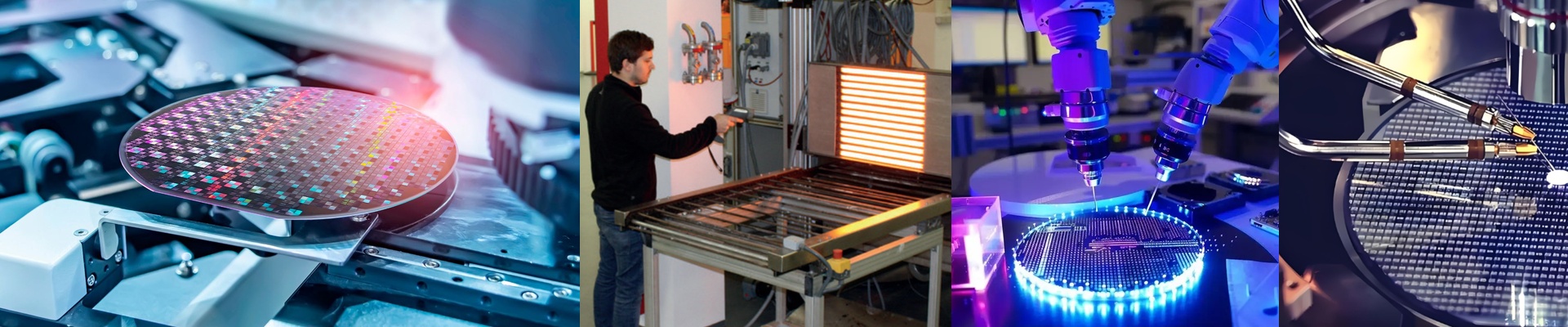
Ever stepped up to a piece of semiconductor gear and felt a wave of heat coming off the chassis? It’s a nightmare. Standard IR lamps just throw heat everywhere. In a tight tool footprint, that energy bounces around like a pinball, baking the internal walls. Before you know it, you’re dealing with warped equipment or, worse, a technician getting a nasty burn. It’s a mess. We figured out a better way using ozone-free directed infrared.
How it actually works
Most shortwave lamps are basically lightbulbs on steroids—they blast energy in every direction. We do things differently. By using specific quartz coatings and tweaking the reflector geometry, we narrow that beam. Think of it like switching from a floodlight to a flashlight. Instead of heating up the entire cabinet skin, the energy goes exactly where it belongs: right onto the wafer or substrate.
The ozone problem
Here is the thing about standard shortwave lamps: they spit out UV radiation. In a closed system, that radiation hits oxygen and creates ozone. If you’ve dealt with this, you know the drill. Ozone eats away at delicate components and keeps triggering safety alarms that shut everything down. To fix this, our tubes use a specialized quartz envelope that filters out those VUV wavelengths. No ozone, no corrosion, no annoying alarms. One quick tip: if you’re running a high-wattage array, keep an eye on your cooling. Since we’re concentrating all that energy into a tight zone, your fans need to be positioned perfectly. Otherwise, you might fry the lamp ends.
Why this makes your life easier
When you stop the “hot wall” effect, everything changes. You can ditch the heavy thermal insulation on the inner walls, which means your machine can be smaller and leaner. Plus, your team isn’t terrified of touching the equipment during maintenance. It’s also just faster. Since you aren’t wasting energy heating up the air and the metal box around the part, the material ramps up to temperature way quicker. Your power draw per cycle drops, too. Just a heads-up—double-check that your power supply can handle the voltage spikes when the lamps first ignite. Once they’re humming, you’re golden.