
Introduction
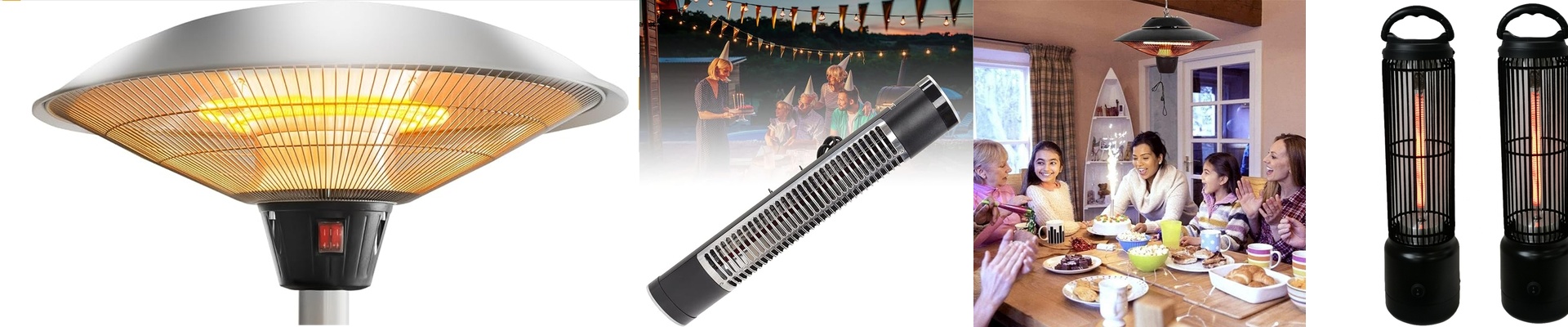
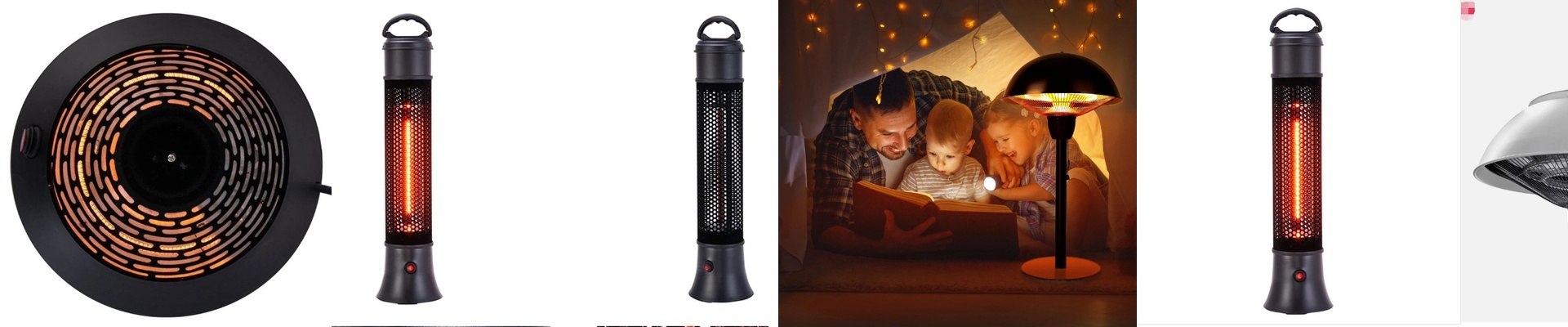
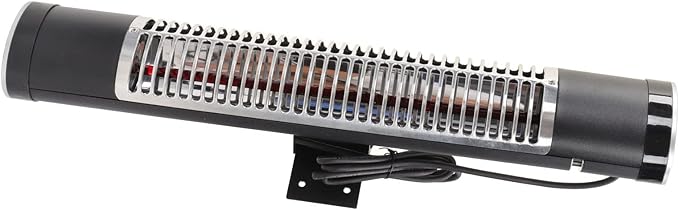
We built this wall-mount infrared heater to be the workhorse for yoga studios—the kind of space where humidity and temperature swings are just part of the day. The whole point is to give you steady, radiant warmth without the headache of downtime from fogged-up optics or water getting inside. So we focused on two practical protections that actually matter in a damp room: anti-fog optics and a splash-proof build that shields the heating elements and electrical connections.
Technical Deep-Dive
It runs on standard mains voltage, sized to deliver consistent radiant heat across typical installation spots. The wall-mount design was shaped to manage heat dissipation while staying compact—so you get predictable heat without having to rework the room. The heat path is straightforward. The element produces infrared radiation, and the reflector sends it forward with minimal loss. No fuss, just warmth where you need it.
Material & Design
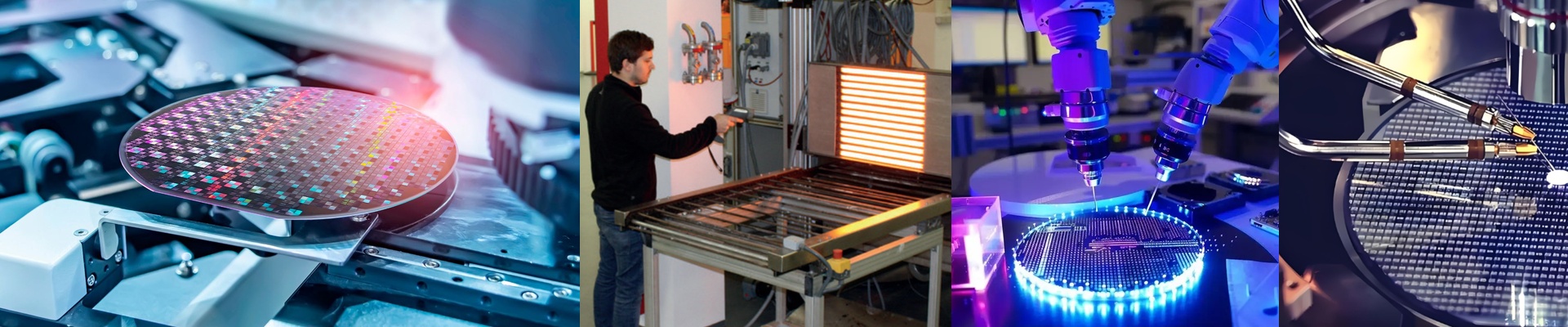
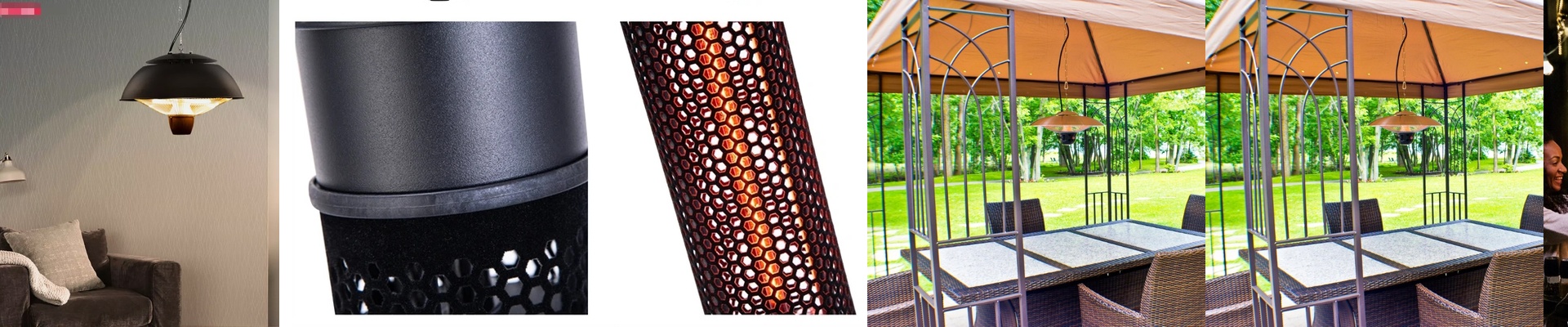
Inside, the infrared source uses a halogen-filled quartz envelope. Why? Because it heats up fast and stays steady, even when you’re turning the unit on and off a lot. The reflector and lens get an anti-fog treatment to stop condensation from blocking the beam—so the heat stays even and you don’t have to keep servicing the heater. The front is sealed against water splashes, keeping moisture away from the filament supports and base connections. And the wiring chamber is protected to cut down on corrosion at the terminals—the usual weak spot in humid spaces.
Application & Benefits
In a yoga studio, this heater deals with high humidity, sweat, and regular cleaning. The anti-fog design keeps the optics clear, so the heat pattern stays uniform and the unit doesn’t need constant attention. The splash-proof build keeps water away from the electrical interface, which helps prevent short circuits and corrosion-related failures. And the wall mount gives you a clean installation while keeping the heater out of the splash zone. Now, here’s the trade-off: because the structure is sealed, it holds in more heat, so the outer housing runs hotter. That means you need to keep proper mounting clearance and plan for some local ventilation to avoid heat building up in the room.