
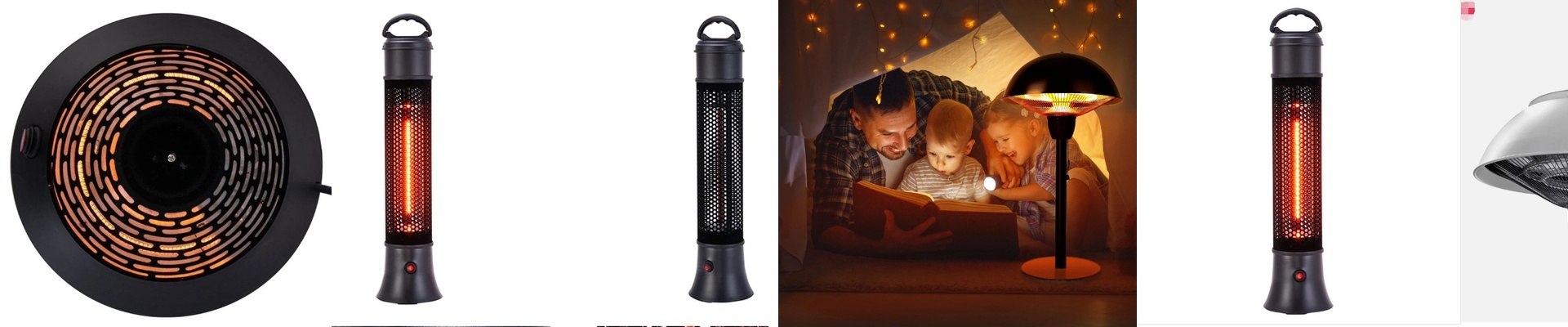
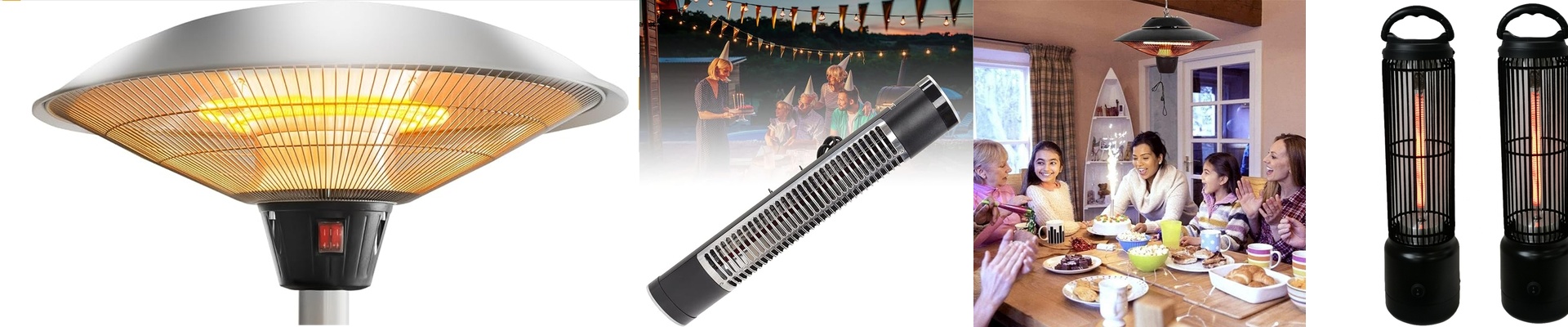
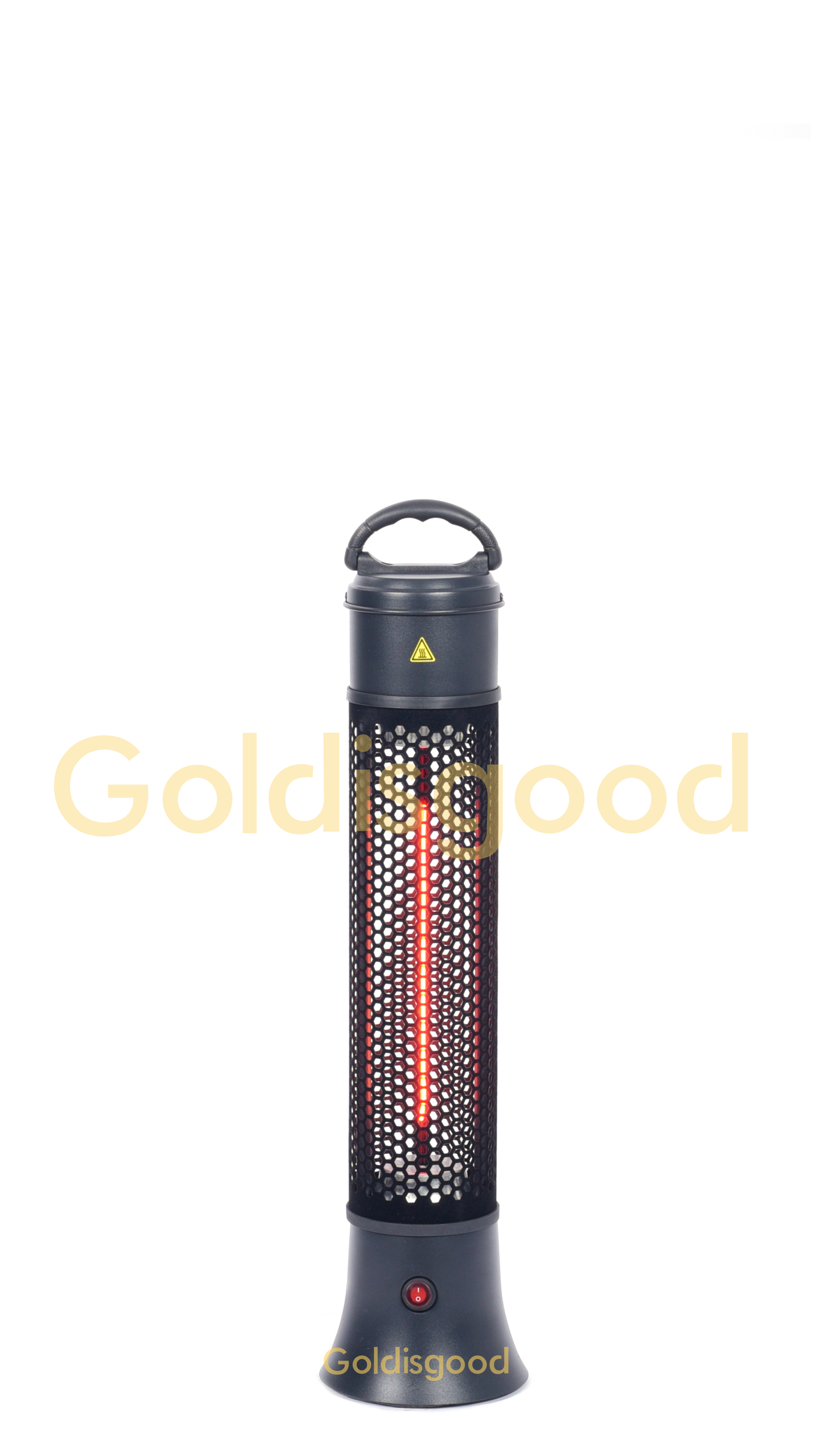
Step onto a cold station platform or settle in at an open-air café, and the chill has a way of turning a quick stop into a long, uncomfortable wait. People cut their visit short—or they don’t come at all. We built our wall-mounted outdoor heater to fix that, delivering infrared warmth that hits people directly, not the empty air around them.
What matters, technically
This electric outdoor heater runs on a carbon fiber infrared element to produce radiant heat—warmth you feel the instant you step into the beam. It concentrates comfort where people actually gather, without wasting energy heating wide-open space. We pair that with a housing built for the outdoors, weather-resistant and rated for real-world conditions, so wind and moisture don’t eat the unit alive. Installation is clean and straightforward: hardwire it to a standard electrical supply, mount it at a practical height, and set the angle to cover seating lines, queue zones, or bar edges. A built-in thermostat helps hold a steady feel, and safety protections—tip-over protection and overheat safeguards—keep day-to-day operation dependable.
Why it works in the real world
In commercial and transit settings, comfort isn’t a luxury—it’s part of the service. With infrared warmth, customers can sit longer, staff can work without shivering, and waiting areas stay welcoming even on damp, windy days. Because the heat is directed, you don’t have to fight to warm a huge volume of air, which helps keep energy use in check while still delivering immediate relief. For cafés, it protects the outdoor seating experience. For stations and sheltered walkways, it keeps people moving—less hesitation, less standing around, and fewer cold-weather bottlenecks.
The details that bite you if you ignore them
Clearance matters. Keep combustible materials in mind, watch direct human exposure, and follow local clearance rules for radiant heaters. Performance is line-of-sight—people feel warmth when the heater can “see” them, so plan for unobstructed coverage. Match the heater size and output to the area and typical occupancy. In harsh conditions, a weatherproof cover or protective shield is the kind of small add-on that saves headaches down the road.