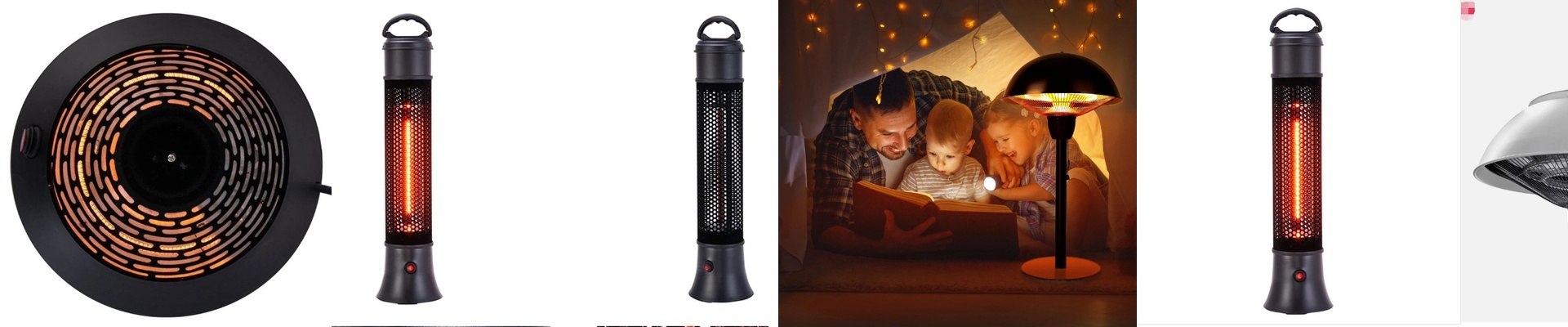
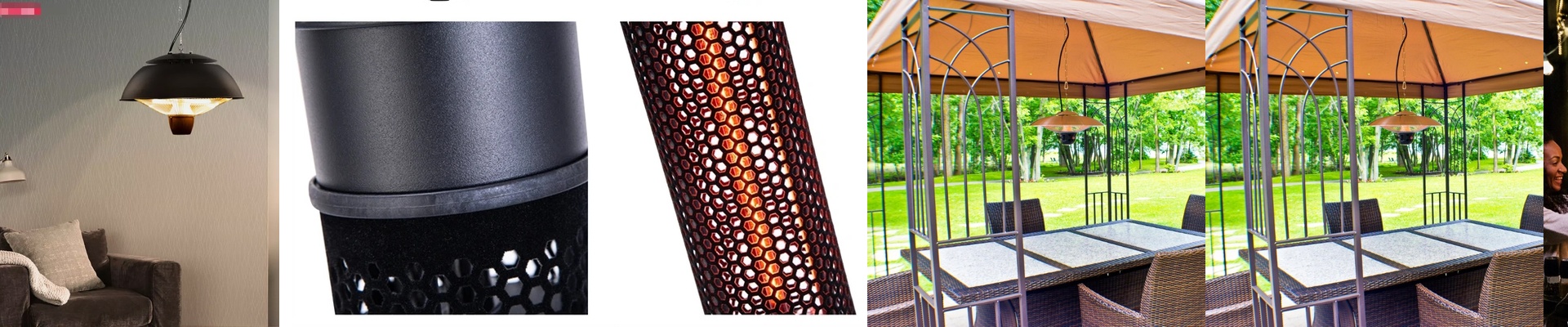
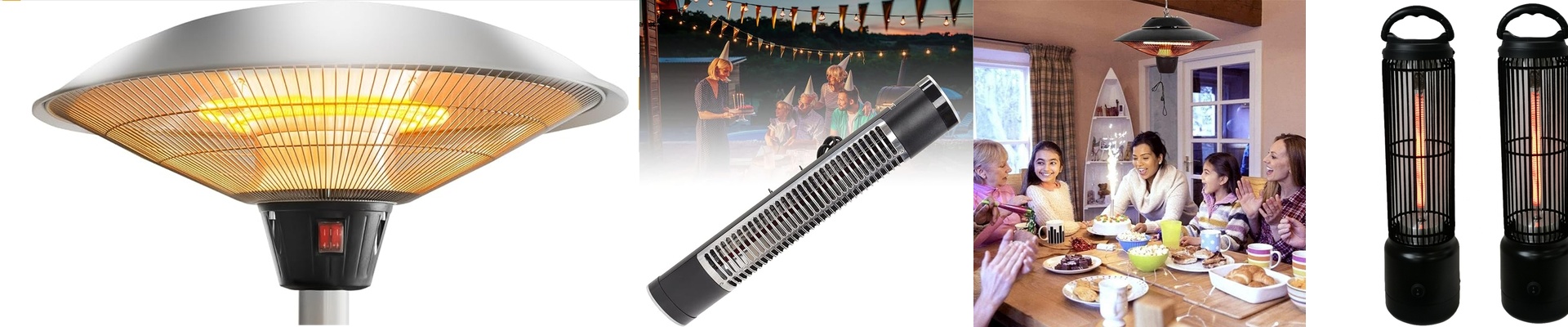

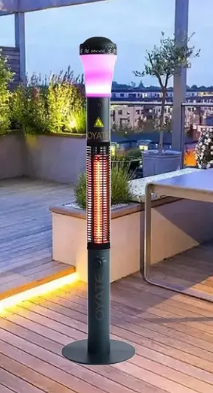
The cold snap hits, and you flip on the heater. Then you wait — minutes stretching out while the air finally, slowly warms. With a radiant panel heater, that wait goes away. Infrared warmth hits in seconds, not minutes, because it heats people and objects directly instead of playing with the air.
What’s actually going on under the hood
A radiant panel heater runs on infrared energy, pushed through a carbon fiber element or a quartz tube. Power usually sits between 1.5 kW and 3.0 kW, so it plays nice with standard household circuits. The upshot is a focused beam of warmth that travels through air without getting hung up, and the unit comes online at full output almost immediately. No boiler. No bulky heat exchanger. No warm-up cycle. For comfort and safety, many models include a thermostat and tip-over protection, and the outdoor-rated versions carry an IP rating to keep out spray and dust.
Why this makes sense where you need it
When the temperature drops, the real frustration is that gap between flipping the switch and feeling relief. A radiant panel heater closes that gap. You feel warmth within seconds, and that matters on a windy patio, in a drafty sunroom, or out by the workbench where you need steady comfort. Because the heat is directional, you aim it where you actually stand instead of trying to warm the whole room. That focus keeps energy going where it’s needed, and it sidesteps the dry, circulating air that forced-air systems tend to create.
The things you’ll want to get right
Radiant heat is immediate, but it’s line-of-sight. Position the heater so the beam covers your seating area, and keep a safe clearance from anything combustible. For outdoor use, pick a model rated for damp conditions, and plug into a grounded outlet on a dedicated circuit. The trade-off is straightforward: you get instant warmth, but you’ll feel cooler once you step outside the beam. That’s exactly why placement matters — and why a quick-response infrared heater turns an unexpected chill into a calm, cozy evening.