

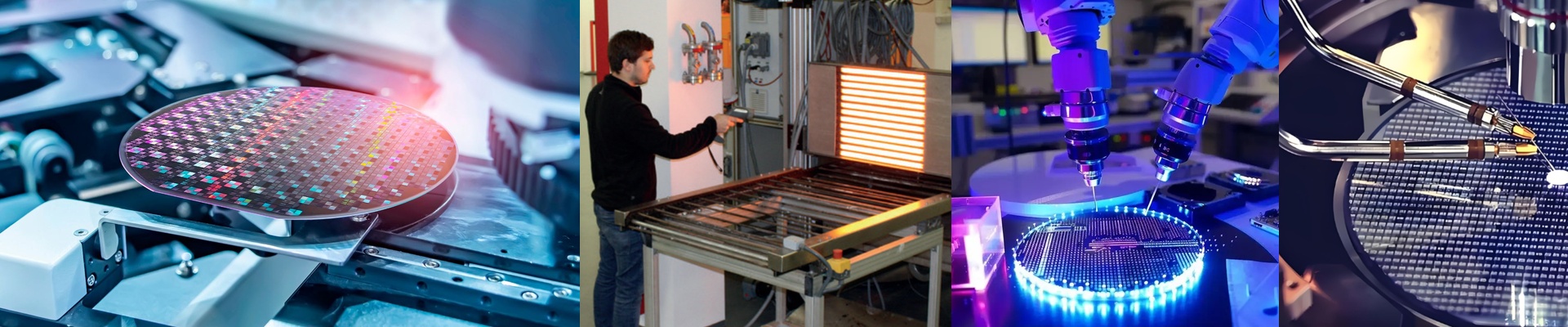
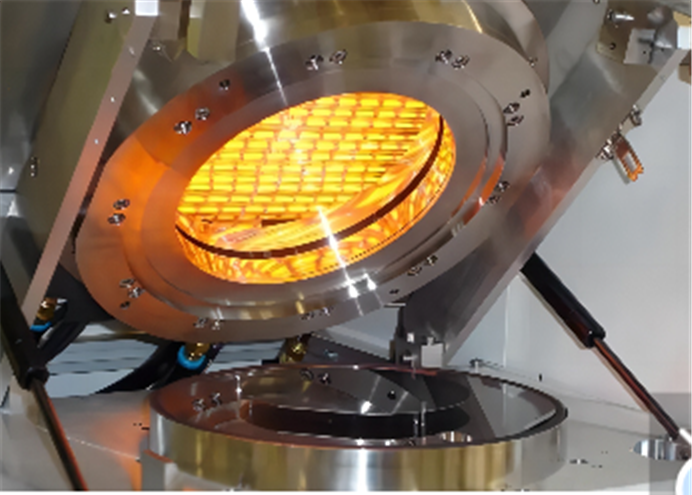
Out on the fab floor, a photoresist bake that drifts even 0.2°C can move critical dimensions and send a whole lot of wafers to the scrap pile. We built the semiconductor cleanroom trolley heater to take that variability out of the equation. What matters, technically, is temperature uniformity across the load—±0.1°C—and repeatable ramp control for both soft bake and hard bake profiles. The heater uses a low-profile, cleanroom-compatible architecture with sealed elements and HEPA-grade materials to keep particle generation as close to zero as you can get. Airflow is laminar, not turbulent, so you don’t ruffle nearby lithography tools or risk contaminating the wafer surface. The control loop is tuned to settle fast after the door opens, because line changeovers don’t wait around for thermal stability. Here’s why it works where it counts. The heater sits in the trolley, pre-conditioning wafers before they hit the hotplate. That gives you a stable thermal budget going into exposure and bake, fewer reworks, and tighter CD control. Cleanroom compatibility—Class 1 to 100 rated materials and finishes—keeps particle counts down and protects yield. You also save energy, because the trolley holds heat instead of leaning on the main oven for every warm-up. A few practical notes. Installation needs a dedicated clean power feed and proper grounding to keep micro-vibration and electrical noise from coupling into the control sensor. The footprint is compact, but you have to maintain clearance around the airflow paths; otherwise uniformity suffers. And plan for routine calibration at the trolley level. Even the best heater drifts over time without a defined metrology window.