
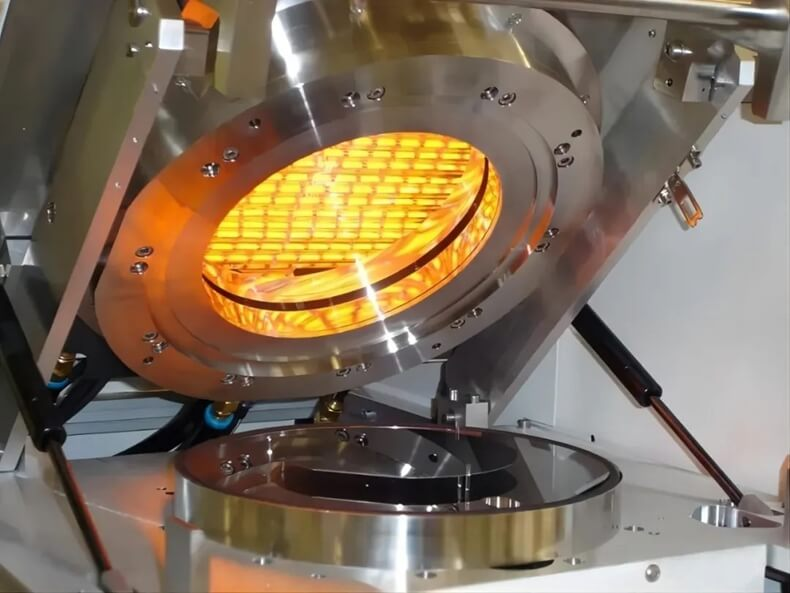
Stopping the Energy Leak in Semiconductor Rinse Stages
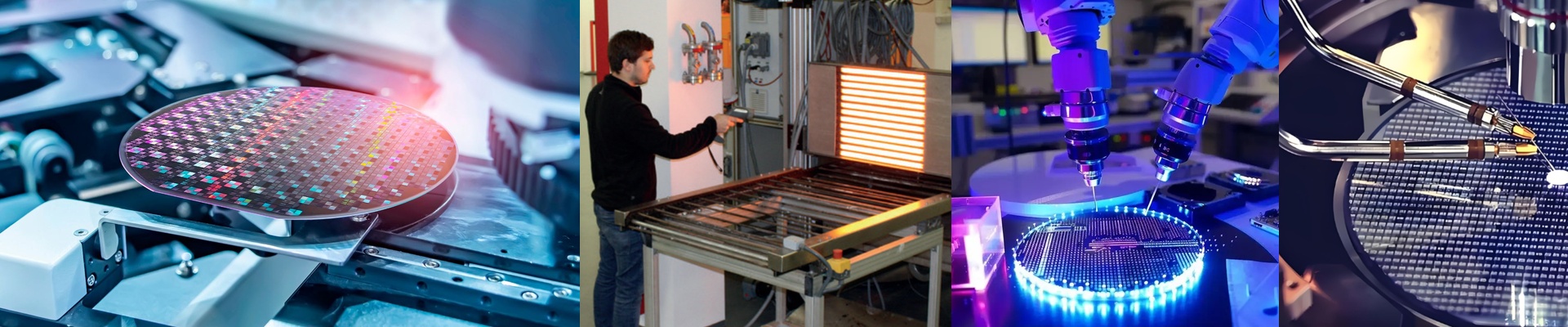
Let’s be honest: the rinse stage in semiconductor fab is usually where energy goes to die. For years, we’ve relied on blasting massive amounts of hot air or using convection to dry wafers. It’s slow, it’s clunky, and it wastes an incredible amount of power just to heat up air that mostly ends up nowhere. We’ve found a better way. Instead of heating the room, we use waterproof infrared (IR) lamps to target the moisture on the wafer surface directly. It’s a much cleaner approach.
Dealing with the Damp
Working in a high-humidity zone is a nightmare for electronics. If a single drop of water hits a hot filament, the lamp is toast. Period. That’s why we don’t mess around with the seals. We use specialized quartz envelopes and hermetic seals to keep moisture far away from the electrodes. It’s all about keeping the guts of the lamp bone-dry while the environment around it is practically a sauna. The best part? These things ramp up fast. Like,secondsfast. You don’t have to leave your lamps idling at full blast while you wait for the next batch of wafers. You turn them on, they hit the target temp, and you’re moving. Your electricity bill will thank you.
Built for the Actual Floor
Waterproofing isn’t just about the glass, though. Between the humidity and the chemicals used in rinsing, the housings take a beating. We use corrosion-resistant materials so the gear doesn’t just crumble after a few months of hard use. If you’re running an older setup, these are designed to be drop-in replacements. You swap out the old, thirsty heating arrays for these, and you’re good to go. Plus, there’s a hidden win here: no air turbulence. Since IR uses radiation rather than blowing air around, you aren’t accidentally pushing particles onto your wafers. It’s just… quieter. And cleaner.
The Catch: Managing the Heat
Now, here’s the thing. High-density IR arrays gethot. Really hot. While the wafers dry in a flash, the chassis around them takes the brunt of that thermal energy. If you skimp on your cooling fans or heat sinks, your control electronics are going to fry. It’s a simple trade-off: you save a ton of energy on the drying side, but you have to make sure your airflow is dialed in so your wiring doesn’t cook itself. But once you get that balance right? You can ditch those massive, energy-hungry blowers entirely. It’s probably the fastest way to actually make a fab “green” without sacrificing speed.