


Why Gold-Coated IR Lamps Actually Make Sense for Your Fab
If you’ve spent any time in semiconductor fabrication, you know the struggle of getting thermal control just right. One slip, one tiny temperature spike, and you’ve just scrapped a whole batch of wafers. It’s stressful. Most people lean on traditional resistive ovens, but those things are energy hogs. That’s why we’ve been leaning into gold-coated infrared (IR) lamps.
The magic of the gold coating
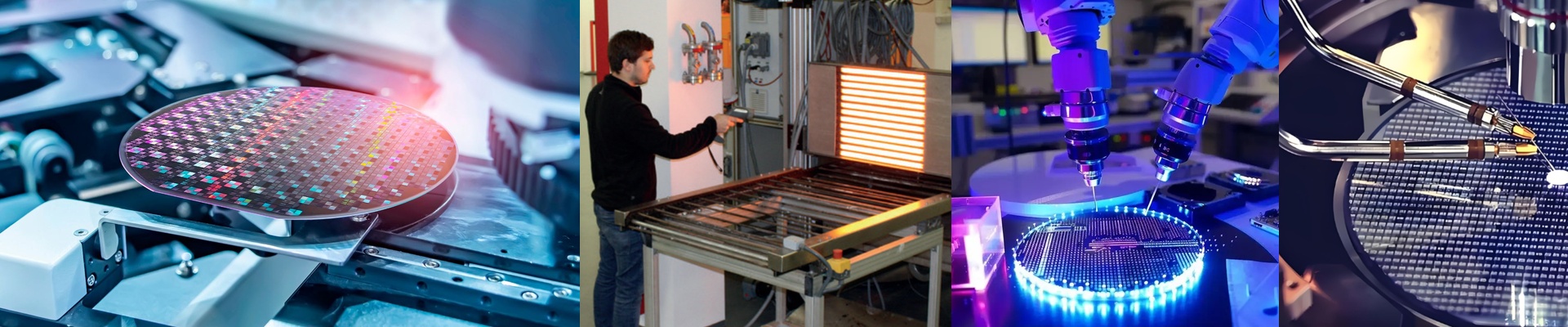
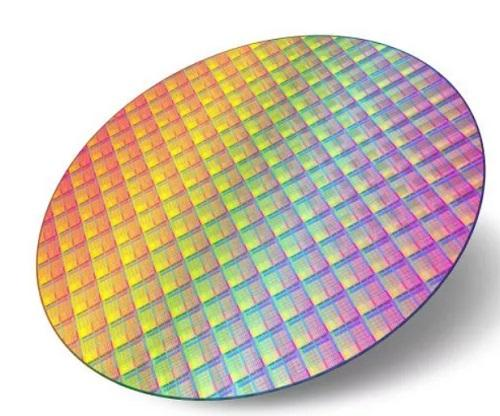
Here is how it works. A standard quartz lamp just throws heat everywhere—it’s a broad, messy spectrum. But when we add that thin layer of gold to the quartz, everything changes. The gold acts like a mirror for the long-wave radiation, bouncing it right back into the filament. This forces the energy into a tight, short-wave band. **It’s a lot more focused.**Instead of heating up the entire machine chassis and wasting power, the energy goes exactly where it needs to: the wafer. You get faster ramp-up times, and your equipment doesn’t feel like a space heater.
Packing a punch in a small space
Space is always a premium in the fab. We design these lamps to push a massive amount of wattage into a tiny area. Because the heat density is so high, you can shrink the heating zone. This means you aren’t wasting time and energy trying to condition a giant volume of air. You’re just hitting the target. But a heads-up: the power draw is intense. Since you’re pushing so much energy through such a small point, your power supplies need to be rock solid. If you have voltage ripples, you’ll see temperature swings. And as we know, those swings are what kill your yield.
Cutting costs and carbon (without the fluff)
Everyone is talking about “Green Factories” these days, but let’s be real. At the end of the day, it’s about the kWh per wafer. The beauty of this direct-transfer method is that you heat the part, not the room. It’s a simple shift that slashes your electricity bill and takes a huge load off your HVAC and cooling water systems. Now, I won’t lie to you—the upfront cost is higher. Gold isn’t cheap. But when you look at the shorter cycle times and the drop in monthly energy costs, the lamps usually pay for themselves within the first year. It’s just a smarter way to run the line.