
A Smarter Way to Cure Biosensors and Semiconductors
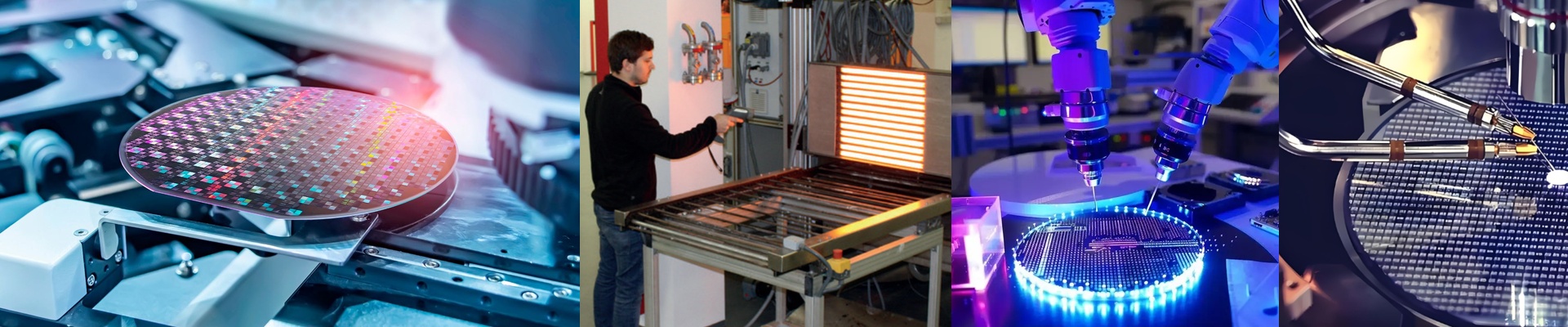
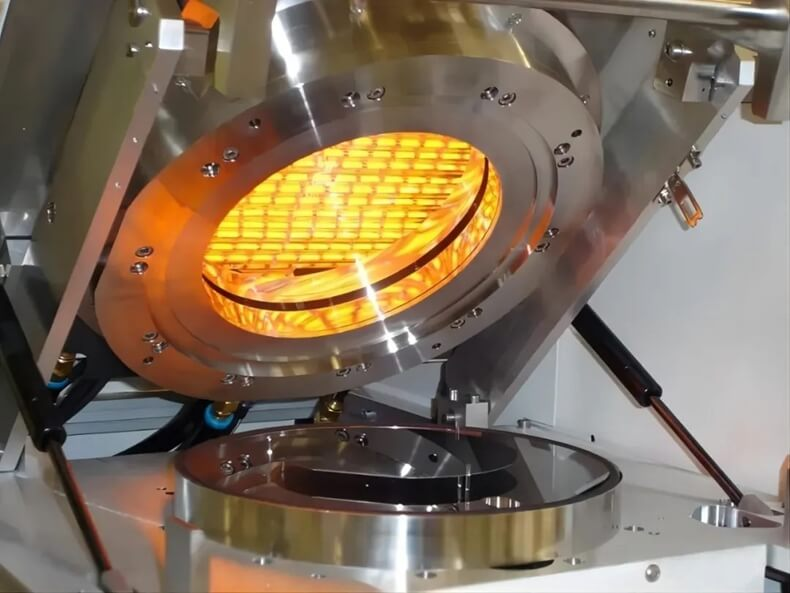
When you’re building biosensors, you’re walking a tightrope. You need enough heat to set your organic layers, but if you overdo it, you’ll fry your substrates. That’s why we stopped messing around with giant convection ovens. Heating up a whole room of air just to dry a tiny wafer is a waste of time and power. Instead, we use short-wave infrared (IR) lamps. The beauty of IR is that it doesn’t care about the air. It sends energy straight into the material. It’s direct. It’s efficient. The “Green” Side of Things For a long time, the industry relied on lead-based stabilizers or nasty solvents that fill the air with VOCs. Not great for the planet, and definitely not great for the people in the lab. Switching to IR opens the door to water-based or UV-IR hybrid resins. Because the energy density is so high, the polymerization happens almost instantly. We’re talking seconds, not hours. Your energy bill drops, and your wafers move through the line way faster. The Tricky Parts Of course, it isn’t just “plug and play.” You have to get the wattage and wavelength just right. We use short-wave IR because it actually digs deep into the coating. This means the bottom of the layer cures at the same speed as the surface. But here is the catch: you have to watch your ramp-up speed. Since IR hits the target so fast, you can run into a problem called “skinning.” That’s when the top layer hardens into a shell, trapping wet solvents underneath. It’s a nightmare. To stop that, you’ve got to fine-tune your power controllers to ease into the heat. Making it Work in the Real World If you’ve got an old convection line, swapping in IR is usually pretty straightforward. You get to kick the fuel-burning heaters out of the cleanroom, which cuts your carbon footprint immediately. We usually tie everything into PLC-controlled zones to keep the temperature exactly where it needs to be. One last tip: if you’re packing high-wattage tubes into a small space, don’t skimp on the cooling fans. If the heat builds up around the lamp housing, you’ll melt your connectors. And trust me, that’s a headache you don’t want.