
Stop Letting Dust Kill Your Bio-Sensor Batches
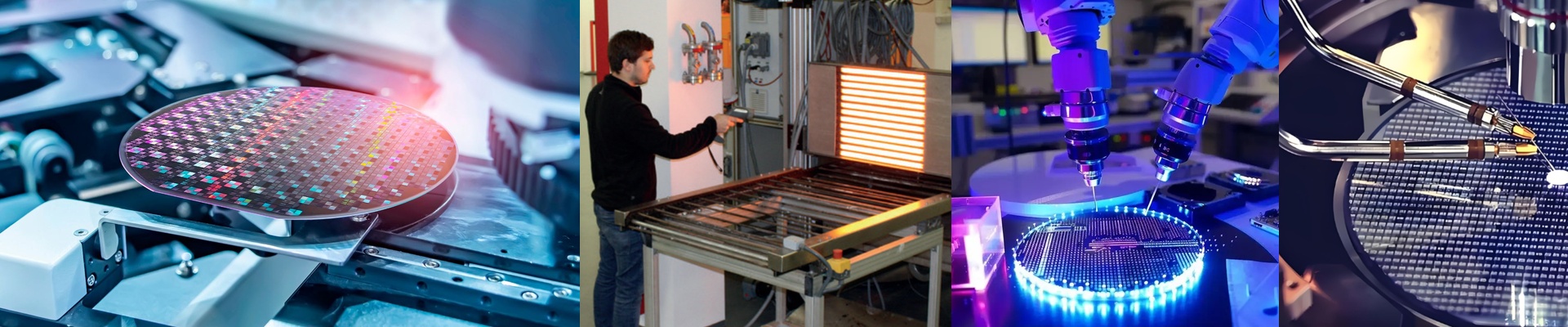
If you’ve spent any time in a Class 100 cleanroom, you know the drill. Everything has to be perfect. One tiny piece of debris—one microscopic flake—and your entire batch is trash. The hidden culprit? Your heating elements. Most standard IR lamps are a nightmare for this. As they heat up and cool down, they tend to shed little bits of metal or glass. It’s subtle, but it’s deadly for your sensors. We decided to fix that by switching to high-purity synthetic quartz.
Why the material actually matters
We use fused silica quartz. Because it’s so pure, you don’t have to worry about volatile organic compounds (VOCs) or metallic ions leaking into your workspace. Other lamps use alloys that oxidize and flake off over time. Not these. Our quartz stays stable even when you’re cycling the temperature rapidly. That means when you’re curing or drying your sensor substrate, nothing—and I meannothing—drops onto your work.
Getting the heat right
Curing bio-polymers is a balancing act. You need enough heat density to get the job done, but you can’t just bake the entire chamber. We focused on short-wave infrared emission. By tweaking the filament, we’ve made it so the energy hits a spectrum that your sensor materials soak up quickly. It’s efficient. But a word of caution: keep an eye on your ramp rates. These lamps hit their target temperature fast.**Really fast.**If you mount them too close to the substrate, you’ll get localized hotspots. Give them some breathing room so you don’t accidentally scorch the organic layers of your bio-chip.
Setup and keeping things clean
We made these as drop-in replacements. They fit right into your standard mounts, so you won’t need to rebuild your rig. Just make sure your power supply is steady. If you get voltage spikes, you’re going to burn out the filament way sooner than you should. And please, be careful when cleaning them. Using the wrong solvent can actually etch the quartz. It creates these tiny, microscopic pits that end up trapping the very contaminants you’re trying to avoid. Stick to electronic-grade isopropyl alcohol (IPA) and lint-free wipes. It keeps the surface pristine without ruining the material.