
Stop Heating the Air (And Start Heating the Part)
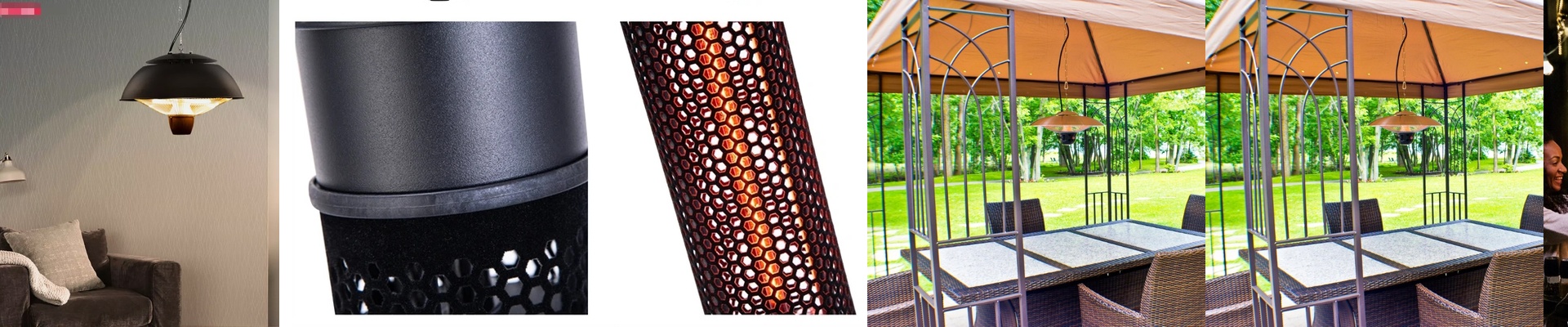
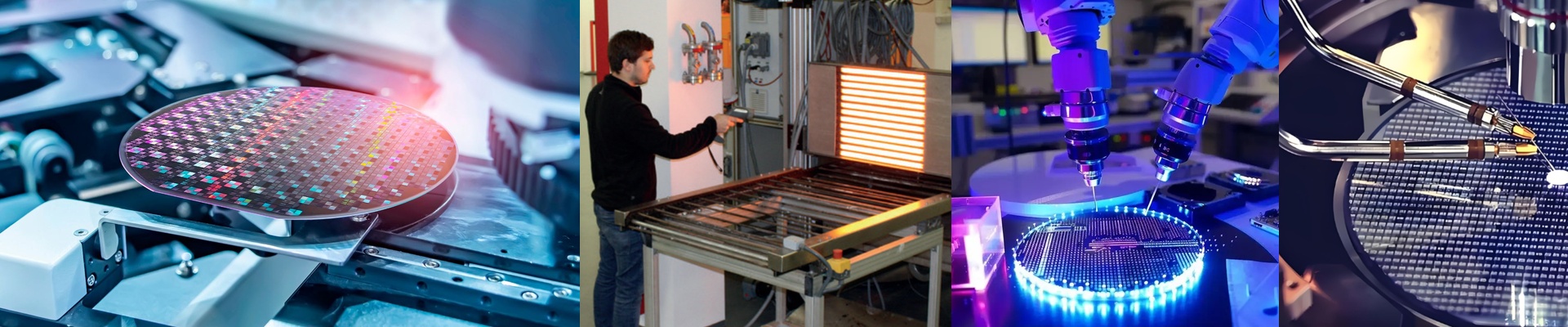
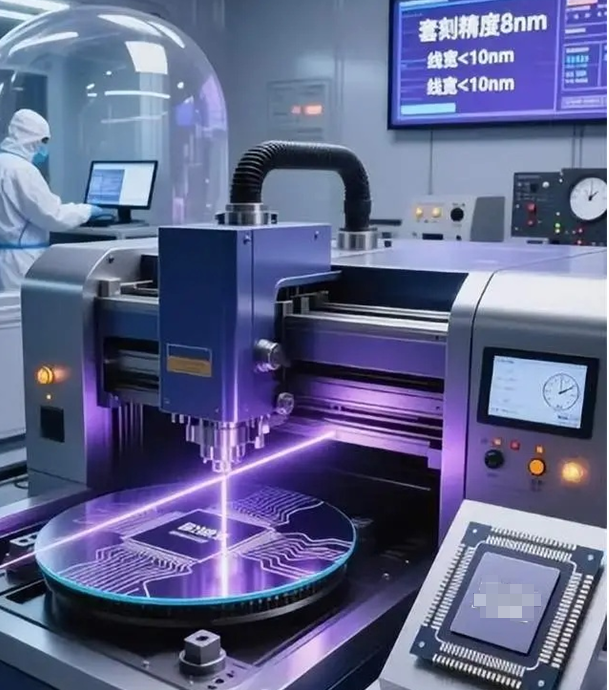
In a semiconductor cleanroom, heating the wrong thing isn’t just a waste of electricity—it’s a safety nightmare. If you’re using traditional convection heaters, you’re basically warming up the air and the entire machine chassis. That leads to inner walls that are hot enough to burn an operator or, even worse, warp the sensitive components you’re trying to protect. We handle this differently. We use directional infrared (IR) technology. How the physics actually works Here’s the thing: IR lamps don’t care about the air. They emit radiation that travels in a straight line and only transfers energy when it hits a physical object. By dialing in the focal length and positioning those lamps just right, you can aim the heat directly at the wafer or substrate. The surrounding equipment housing stays cool because the energy just skips right past it. You’re hitting the part, not the room. Control and safety We use short-wave IR because it gives us a tight beam. This stops “heat creep”—that annoying phenomenon where radiation bounces off your target and starts warming up the inner walls of the machine. Plus, when you pair these lamps with a PID controller, the response is instant. The heat is there the second you flip the switch, and it vanishes almost immediately when you cut the power. Your chassis doesn’t spend hours soaking up residual heat. It just stays cool. The trade-off Now, there is a catch. High-intensity IR lamps pack a massive amount of energy into a tiny footprint, which is why they ramp up so fast. But those lamps get hot. Really hot. If your ventilation isn’t set up to pull that heat away from the lamp housing, you’re going to fry your wiring or melt your connectors. You have to balance that directional power with a solid cooling path for the assembly, or you’ll be replacing parts way sooner than you’d like. Stop fighting with ambient heat. Target the part. Keep the walls cool.