

Getting Lead-Free Curing Right with Vacuum IR
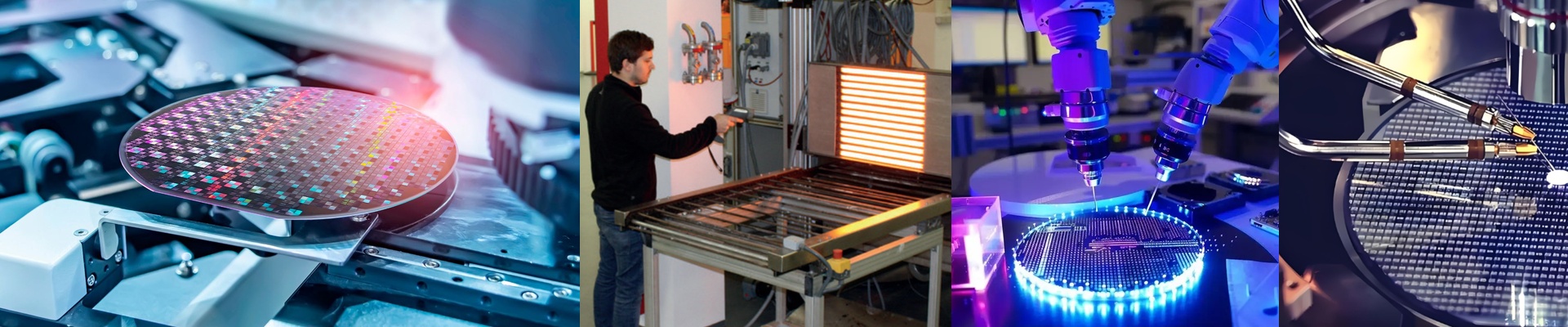
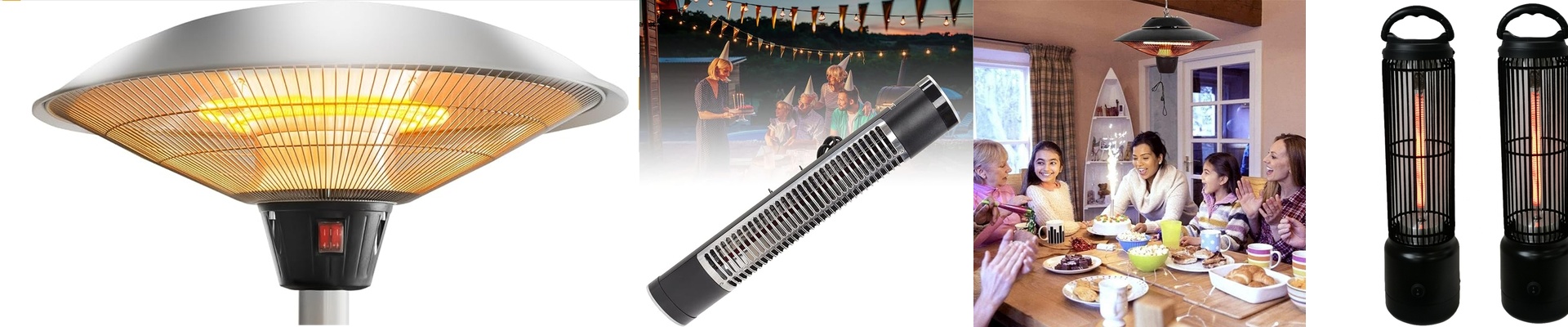
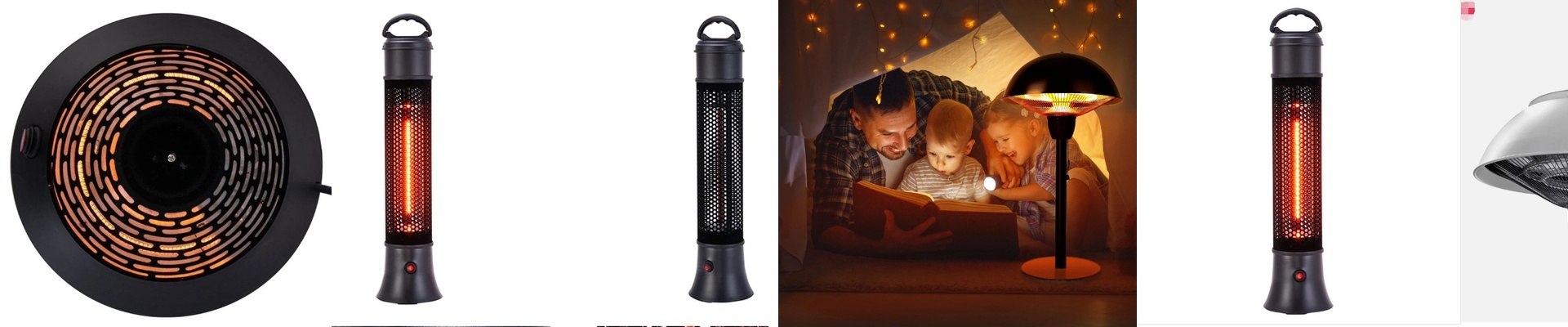
We’re seeing a big shift in how semiconductors get dried and cured. Everyone is moving toward lead-free and green energy standards, which is great, but it changes the math on how we handle heat. That’s why we’ve leaned into vacuum chamber IR heaters. They let us ditch those messy solvent-based carriers and seriously trim down the carbon footprint of the whole cycle. The physics of it is actually pretty cool. In a vacuum, you don’t have air to move heat around. No convection. Instead, everything happens via radiation. We set up these heaters to blast short-wave IR radiation that goes straight into the substrate. Think of it like this: in a regular oven, there’s a “blanket” of air that slows everything down. In a vacuum, that blanket is gone. The heat doesn’t waste time warming up the chamber walls—it goes right where it needs to go. The ramp-up is fast. Really fast. Matching the heat to the material Lead-free solders and resins are picky. If you get the temperature profile wrong, you end up with thermal stress or “outgassing,” which is a nightmare for quality control. The trick is matching the IR wavelength to the specific photoresist or adhesive you’re using. It’s like tuning a radio to the right station. You get the core fully cured without scorching the surface. It makes those old, power-hungry convection tunnels look like relics. The balancing act Now, it’s not all magic. High-intensity IR packs a massive punch in a tiny footprint, and that comes with a catch. You have to be careful with your wattage. If you dump too many kilowatts into a thin wafer without a plan, you’re going to warp the part. It’s a delicate balance between the power you put in and the thermal mass of the substrate. Plus, you need a cooling system that can actually handle the heat dump once the cycle ends, or you’re just asking for trouble. What this actually means for the floor The biggest win? Time. We’re talking about shrinking curing cycles from hours down to minutes. That does wonders for throughput. You stop wasting electricity and you can stop relying on toxic chemical accelerators to speed things up. For anyone trying to hit the tight tolerances of modern lead-free specs, this is just a better way to work.