
Stop Wasting Heat in Your Semiconductor Tools
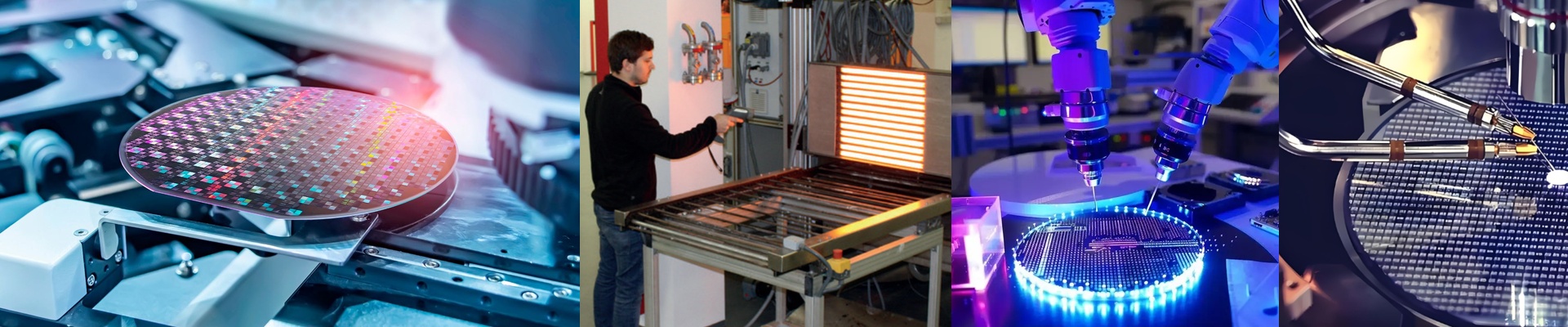
Here is the problem with standard infrared lamps: they blast heat in every single direction. When you cram those into a tight equipment housing, that “360-degree” glow becomes a real headache. The heat hits the inner walls of the cabinet, turning the chassis into a giant radiator. Not only does this mess with your internal temperatures, but it also makes the outside of the machine a burn hazard for whoever has to touch it. We found a better way. We pair shortwave infrared bulbs with high-reflectivity gold coatings. Why gold? It sounds fancy, but it’s actually just practical physics. Gold reflects infrared radiation way better than aluminum or polished steel. By using a gold-plated reflector, we basically flip the script on where the heat goes. Instead of letting half your energy leak into the air and the housing, the reflector pushes that heat into a concentrated beam. It goes straight to the wafer or the component where it actually belongs. The result? You get intense heat exactly where you need it, while the cabinet walls stay cool. The trade-offs (because nothing is perfect) Since the heat is so concentrated, you can usually turn down the total wattage of the lamp and still hit your target temperature. That’s a win. But there is a catch. Gold is sensitive. If oil or chemical vapors build up on that surface, the reflectivity tanks. Suddenly, your cabinet walls start heating up again. To keep things stable, you’ll need a solid cleaning schedule or a quartz shield to keep the grime off. Keeping people safe Cutting down on “waste heat” isn’t just about saving a few bucks on the power bill. It’s about the person standing next to the machine. When you stop the heat from soaking into the machine’s skin, you stop the risk of contact burns during maintenance. Plus, you can push your process to higher temperatures without having to buy massive cooling fans or complex liquid-cooling loops just to keep the chassis from overheating. It’s just a simpler, cleaner way to handle your thermal footprint.