

Getting Lead-Free Curing Right with IR Heating
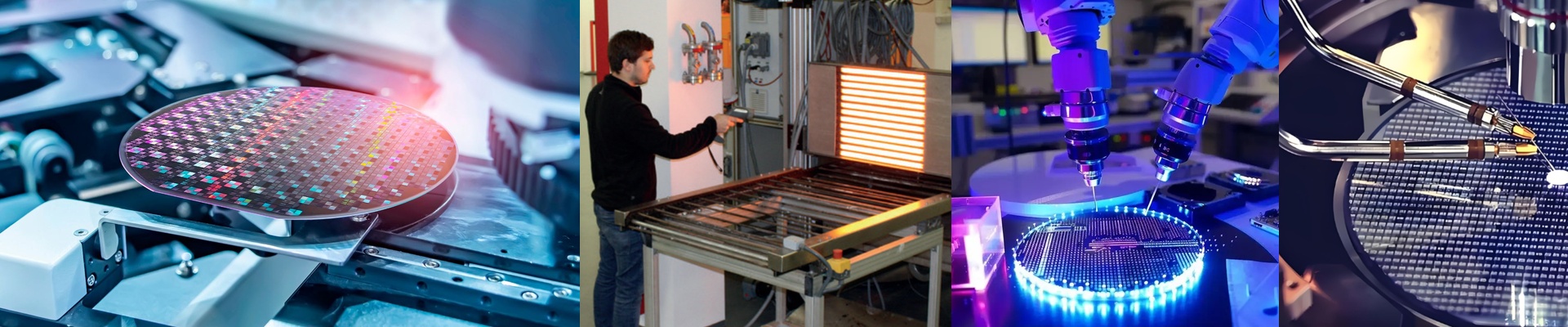
When you’re working in a glovebox and trying to hit those strict lead-free and eco-friendly mandates, the old way of doing things just doesn’t cut it. We’ve moved toward infrared (IR) heating elements because they handle the job differently. Instead of trying to heat up all the air in the room, IR sends energy straight to the substrate. It’s a direct hit.
Why this is better for the planet (and your wallet)
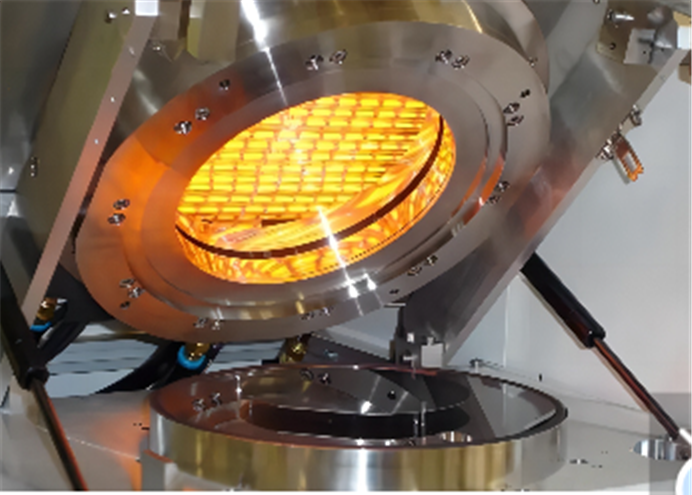
Think about a standard convection oven. You’re spending a ton of energy heating up massive amounts of inert gas just to get your part warm. It’s slow. It’s wasteful. IR changes that. Since the heat goes straight to the wafer, you aren’t wasting power on the air around it. There are no fumes, no combustion by-products, and no hazardous emissions. It’s just clean, electrical heat. Simple.
The real-world performance
We focus on short-wave and medium-wave spectrums. Why? Because we need that heat to actually sink deep into the curing layers, not just sit on the surface. The speed is the best part. These heaters ramp up in seconds. But, look—it’s not magic. There’s a catch. Because the heat is so intense and localized, you have to be careful. If your glovebox airflow is off, you’ll end up with hot spots on your wafer. You’ll want to spend some extra time dialing in your PID controllers so you don’t overshoot your target temperature.
Making it work in a glovebox
Space is always tight in a vacuum-sealed glovebox, and these elements are designed to fit right in. Plus, since the heater never actually touches the part, you don’t have to worry about physical contamination. Switching to lead-free solder and resins is tricky because the temperature windows are so narrow. If you’re off by a bit, the whole batch is junk. IR gives us the knob to turn. By wiring these into a modulated power supply, we can tweak the wattage based on how thick the substrate is. It’s the only way to get that level of precision and make sure the semiconductor is actually reliable.