
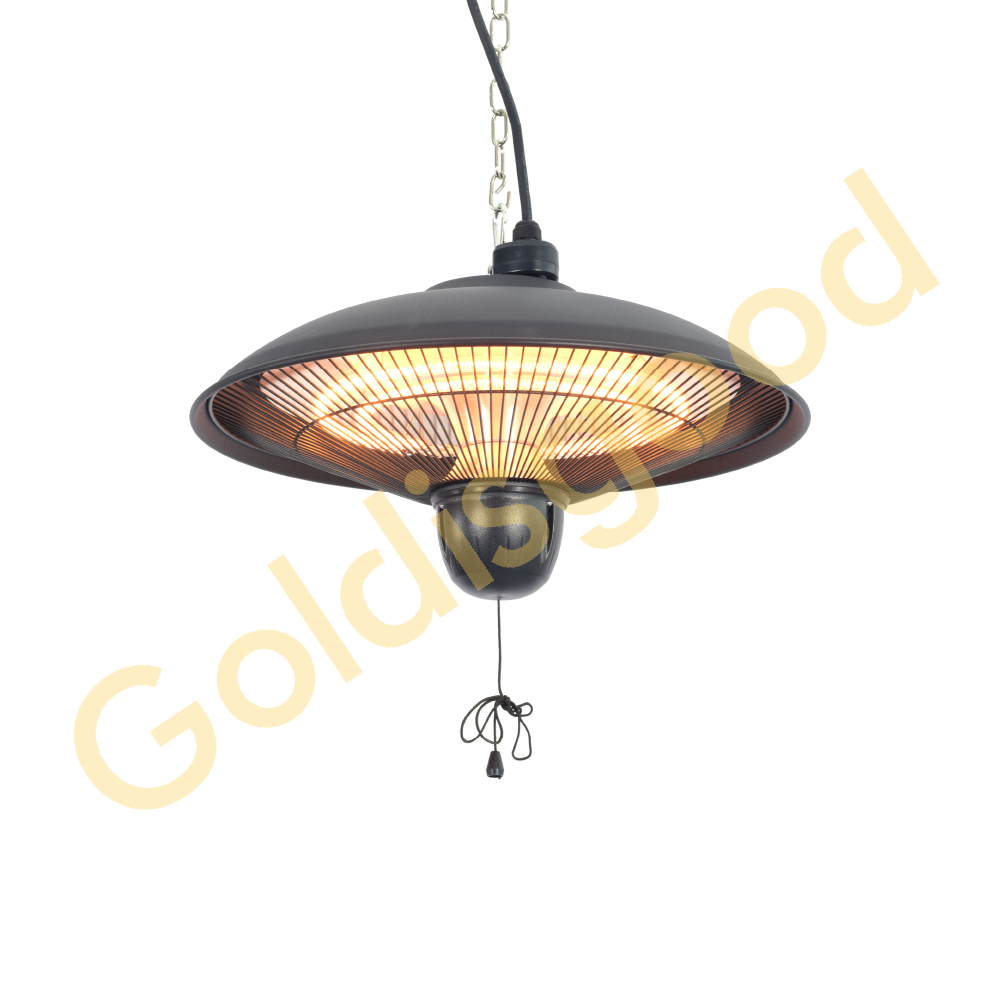
More Than Just a Heater: How Our Bathroom IR Lamps Actually Work
Most people see a bathroom infrared lamp and think, “Great, I won’t be freezing when I step out of the shower.” But if you look under the hood, there’s a lot more going on than just making you feel warm. We don’t just think of these as heaters. We think of them as tools for fighting moisture.
Drying the walls, not just the air
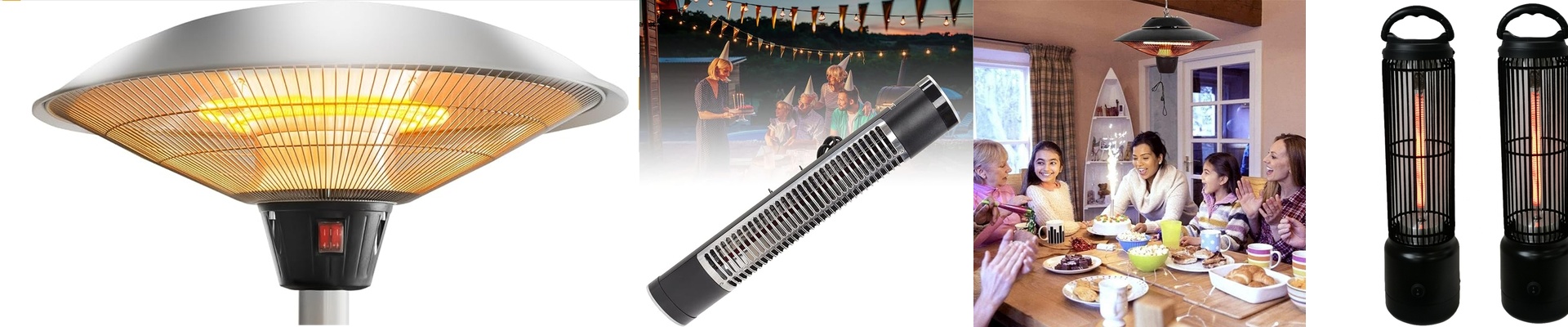
Here’s the thing about standard heaters: they warm up the air. That’s fine, but it doesn’t do much for the dampness clinging to your tiles or ceiling. Our lamps use shortwave infrared radiation. Instead of heating the air, the energy goes straight into the surfaces of your room. It basically pushes the trapped water out of your walls and into the air. Once that moisture is airborne, your vent fan can actually do its job and pull it out of the house. And since we keep those surfaces warm, the water never has a chance to settle and turn into condensation. No puddles, no damp spots, and—most importantly—no place for mold to move in.
Built to survive the steam
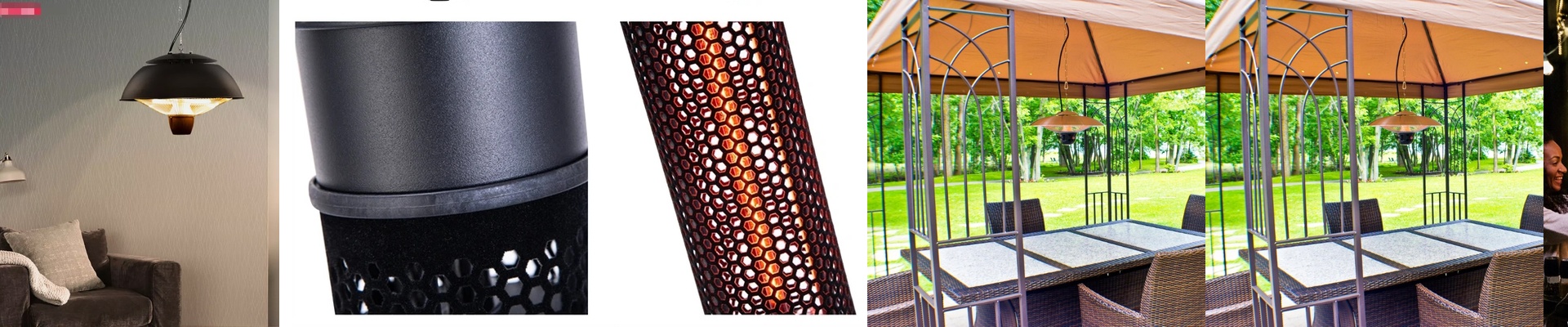
Bathrooms are brutal on electronics. Steam gets everywhere. To stop these lamps from frying, we use quartz glass and IP-rated housings. It’s basically a heavy-duty seal that keeps the moisture away from the electrical bits. Without that, you’d be looking at short circuits or a bulb that burns out way too fast. We also went with high-wattage elements. Why? Because nobody wants to stand around waiting ten minutes for a heater to kick in. You want heatnow. It’s instant.
A few things to keep in mind
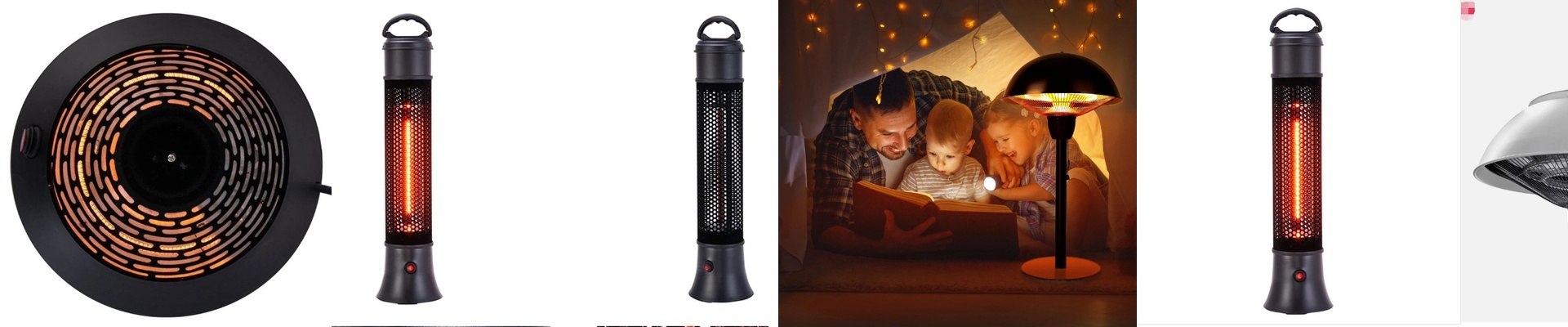
Now, you can’t just throw these anywhere. Because these lamps put out so much intensity, they get hot. If you mount them too low or cram them too close together, you might overheat the fixture or end up with a blinding glare while you’re brushing your teeth. You have to find the right balance between the wattage and the size of your room. Otherwise, you’re not relaxing in a bathroom—you’re sitting in a sauna. Plus, remember that the lamp is only half the battle. It moves the water from the wall to the air, but you still need that exhaust fan running to get the dampness out of the room entirely.