
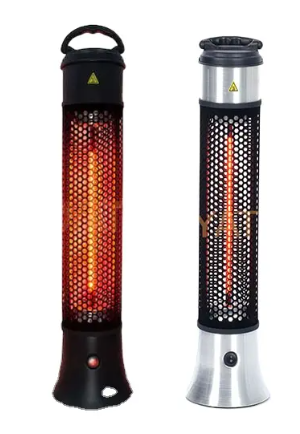
Why We Put Our Bathroom Heaters Through Hell (And Why it Matters)
Let’s be honest: bathrooms are a nightmare for electronics. You’ve got thick steam, direct splashes from the shower, and temperatures that swing from freezing to boiling in minutes. We build our infrared heaters to IP66 standards to keep the water out. But here’s the thing—a seal that works on day one isn’t always a seal that works on day one thousand.
The invisible creep of moisture
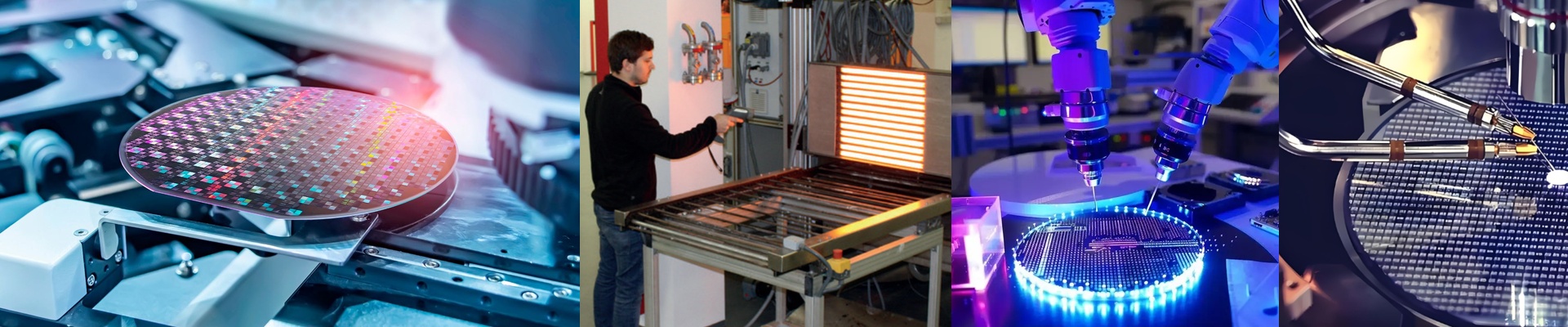
Water doesn’t always just “leak” in. Sometimes, it sneaks. Water vapor can actually migrate through gaskets and epoxy over time. It’s a slow process, but once that moisture finds its way onto the PCB or the heating element, things go south. You get oxidation. You get electrical breakdowns. That’s why we run “damp-heat aging tests.” Basically, we trap the units in a humid, hot chamber and cycle them relentlessly. We’re trying to break them in the lab so they don’t break in your customer’s home.
Beyond the IP66 label
An IP66 rating is great—it means the unit can handle a powerful jet of water. But the real enemy is the “steam-cool-condense” cycle. Think about it. Steam gets into the housing, cools down, and turns back into liquid droplets right on the electrical terminals. If a seal shrinks or warps by even a tiny fraction of a millimeter, you’ve got a short circuit. We push our units through hundreds of these cycles. We want to see if the materials crack or warp under the stress. If it doesn’t survive our torture test, it doesn’t leave the factory.
The balancing act
You might think, “Just seal it tighter!” But there’s a catch. If we seal the unit too aggressively, we trap the heat inside. That’s a recipe for disaster because the internal components will overheat and the lamp will burn out way too early. It’s a constant tug-of-war between keeping the water out and letting the heat breathe. We spend a lot of time tweaking the venting and heat-sink paths to find that sweet spot. We don’t guess when it comes to how long these things last. We just keep testing the degradation until the data tells us the seal is solid.