
Keeping Your Bathroom Warm (Without Blinding Your Kids)
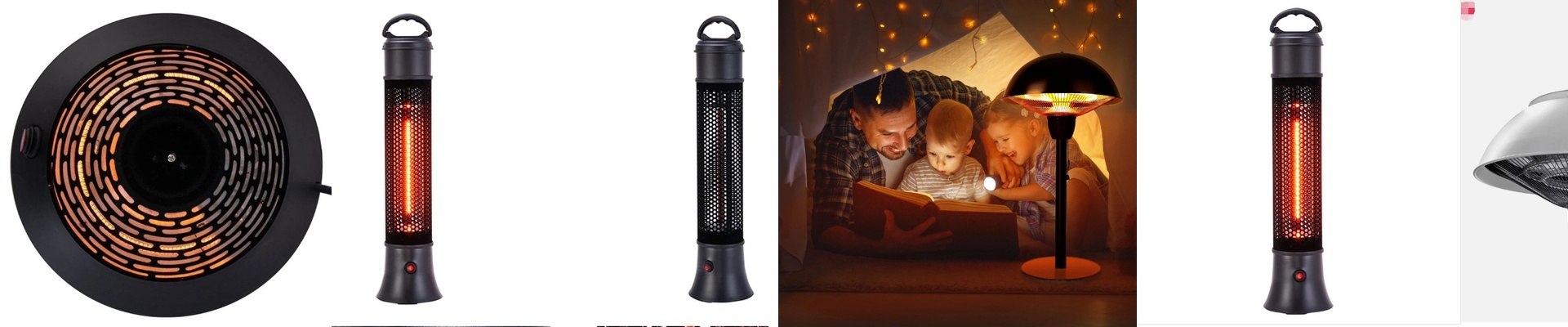
When you’re putting infrared heaters in a bathroom, most people just look for that IP44 waterproof rating and call it a day. But if you’ve got a family, there’s a bigger issue to worry about: the light. Nobody wants a heater that feels like a heat lamp at a reptile zoo, especially when you’re bathing a baby.
The glare problem
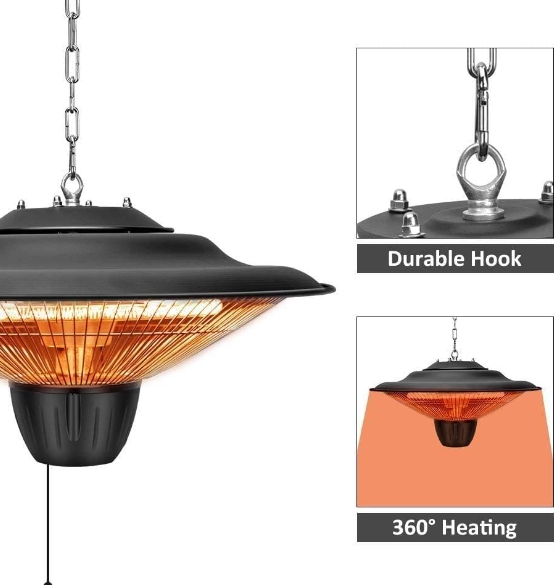
Standard short-wave lamps are bright. Like, really bright. They pump out UV rays and a harsh blue light that can actually hurt your eyes if you stare at them too long. To fix this, we use a specific kind of quartz glass with a special coating. Think of it as a filter. It blocks out the blinding glare and the UV stuff but lets the warmth slide right through. You get that cozy, toasted feeling on your skin, but you aren’t squinting the whole time you’re in the shower.
Dealing with the steam
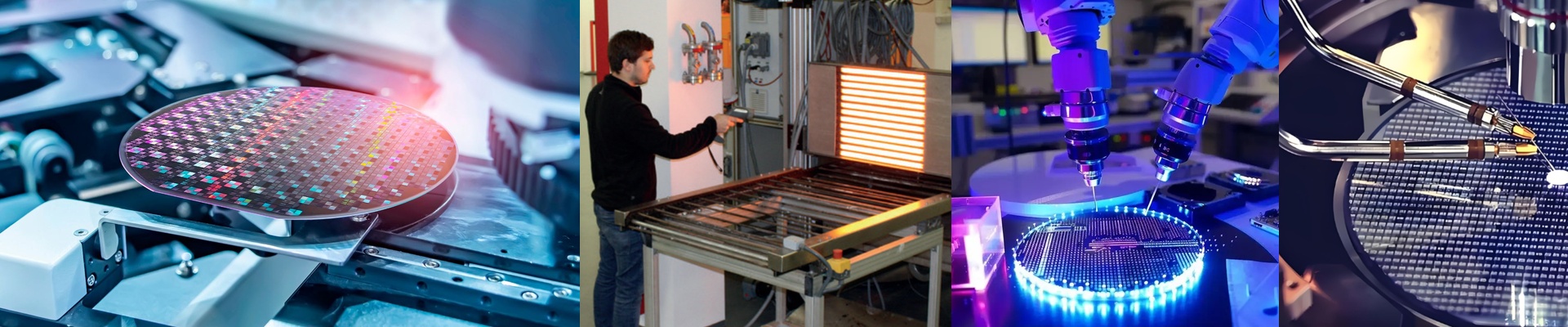
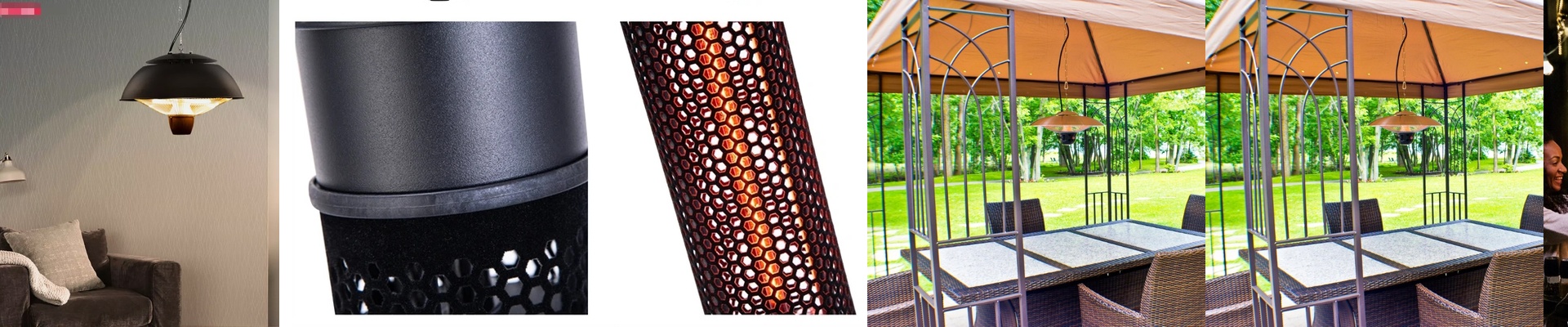
Now, the IP44 rating is great because it keeps splashes out of the electrics. But here’s the catch: when you seal something up tight to keep water out, the heat gets trapped inside. If you aren’t careful, the housing can warp or the wires can literally fry. We avoid that by using high-temp ceramics and cabling that doesn’t mind the heat. It’s the only way to make sure the unit doesn’t melt itself while it’s keeping you warm.
Finding the sweet spot
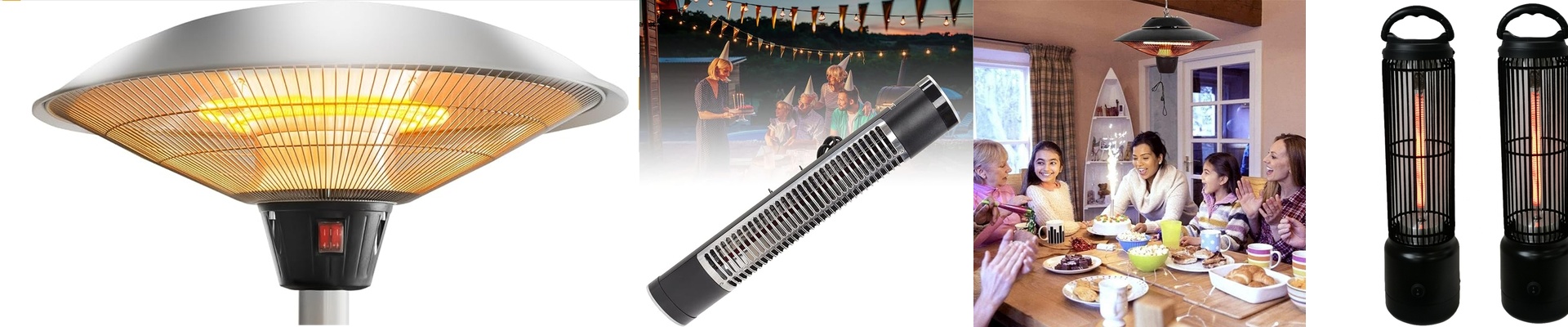
Here’s the honest truth: you can’t have maximum heat and zero light. There’s always a trade-off. By filtering the light to protect your eyes, you lose a tiny bit of efficiency. But in a bathroom, safety wins every time. If you cram too much wattage into a small, sealed box, you’re just going to trip the thermal cutoff and the heater will shut down. The trick is to pick your wattage based on how high your ceiling is. You want the heat to actually reach the floor without overheating the fixture itself. **Pro tip:**Hook it up to a dedicated dimmer. That way, you can tweak the temperature and the brightness to exactly where you want it.