
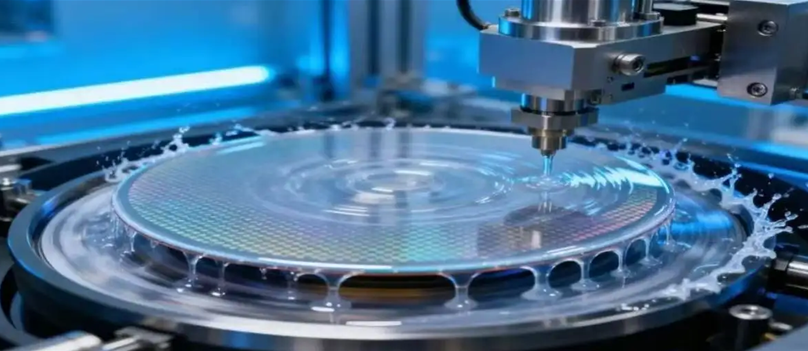
Why we’re switching to Carbon Nanotube (CNT) heaters for lead-free chips
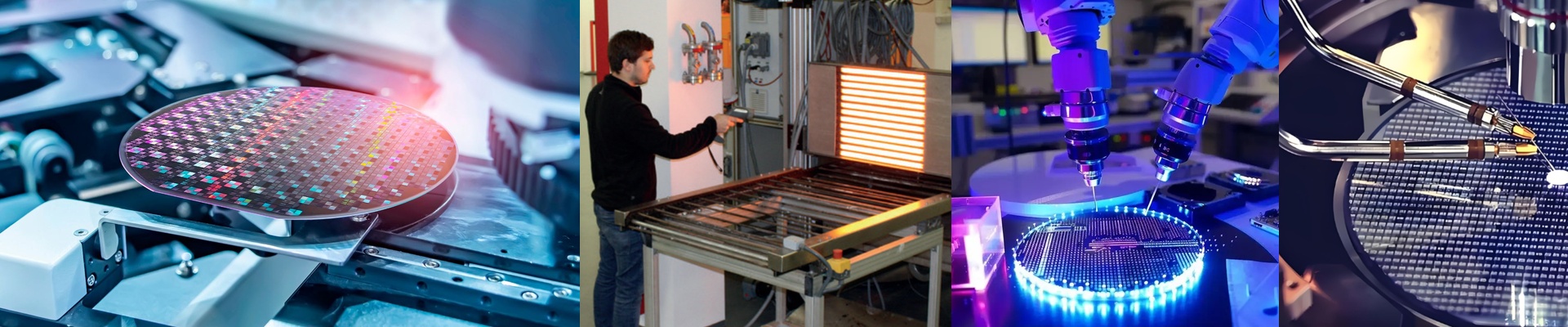
The semiconductor world is finally getting serious about going “green” and ditching lead. But here’s the problem: most old-school curing ovens are basically giant space heaters. They waste a ton of energy just heating up the air in the chamber before the part even feels a thing. That’s where Carbon Nanotube (CNT) heaters come in. Instead of heating the room, they use infrared (IR) to hit the substrate directly.
How it actually works
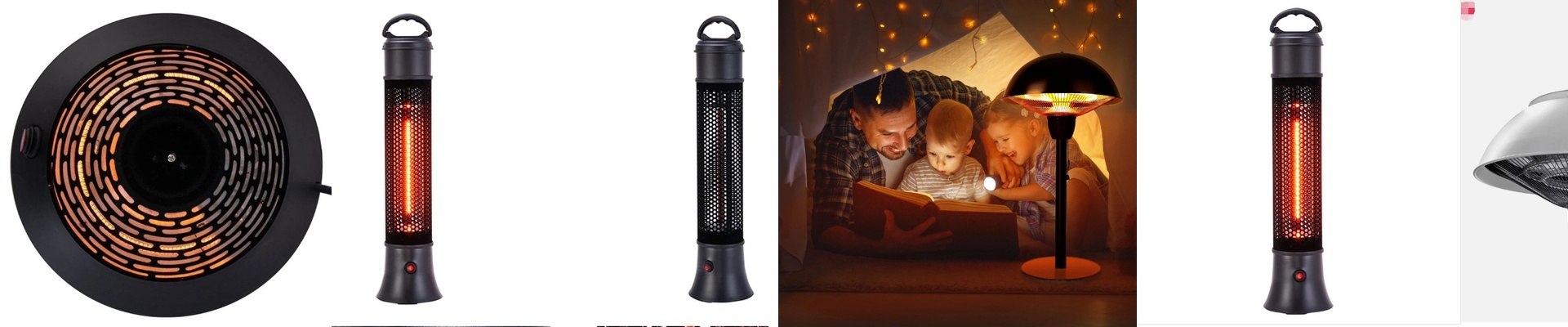
Imagine a thin, conductive film made of a network of nanotubes. When you flip the switch, they turn electricity into heat. But unlike those old metal filaments, CNTs put out a broad spectrum of infrared radiation. It’s like the difference between a warm breeze and a heat lamp. The heat sinks right into the photoresist or adhesive layers. It’s fast. Really fast. And because the energy goes straight into the product, you aren’t just paying to heat the air around it.
Getting it into your line
One of the best parts is the lack of “thermal lag.” You can turn these things on and off almost instantly. This is a huge relief when you’re working with thin wafers. You don’t have to worry as much about the material warping or over-curing because you have so much more control. Plus, they’re small, so they actually fit into those cramped fabrication lines without needing a total redesign. One quick tip: keep an eye on your power supply. You’ll need a regulated DC source that can handle low voltage and high current. If your power fluctuates, you’ll get hot spots on the surface, and that’s a recipe for ruined wafers. Consistency is everything here.
The honest trade-offs
On the plus side, these are clean. No lead, no VOCs, no nasty heating oils, and no mercury lamps. It’s a much cleaner way to work. But, let’s be real—they aren’t cheap. Making CNT films costs more than just winding some nichrome wire. There’s also a catch with the heat. If you push them past their temperature limit for too long, the nanotube network can actually burn out. You can’t just “set it and forget it.” You have to monitor the surface temperature closely. It’s a bit more maintenance, but for the precision you get, it’s usually worth the effort.