No More Foggy Mirrors: Making Your Bathroom Actually Smart
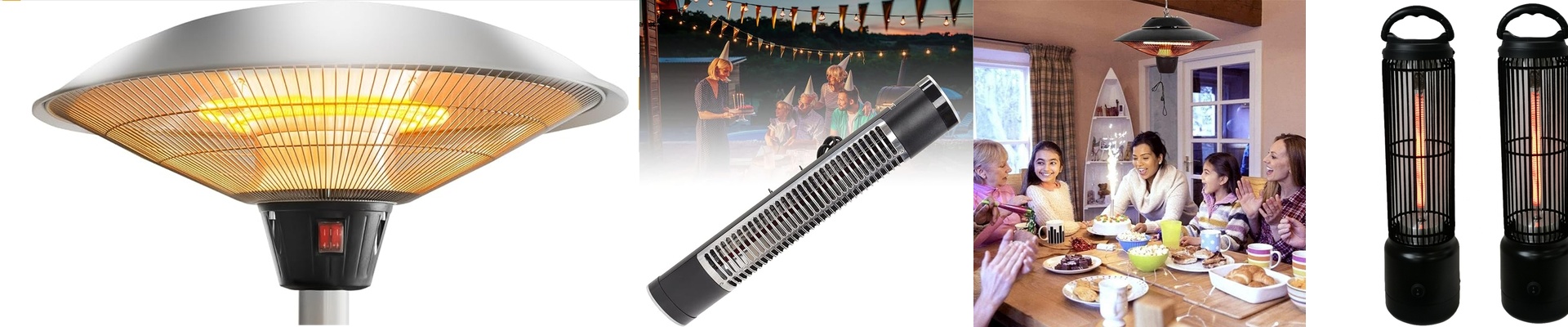
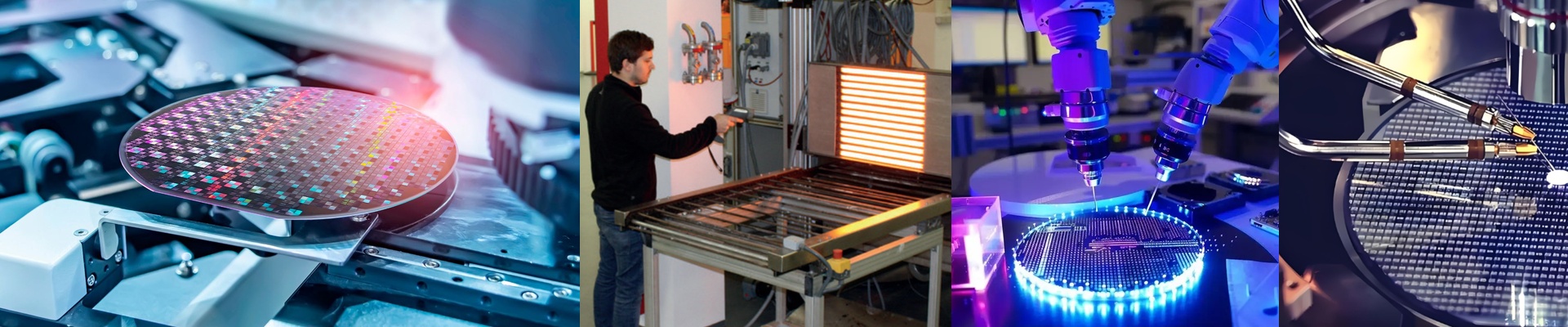
We’ve all been there. You step out of a hot shower, reach for the towel, and look at the mirror only to see a wall of white fog. You end up wiping a streak through the glass with your hand, which just leaves a smear. It’s annoying. That’s where infrared mirror heaters come in. Instead of just hoping the steam clears, these things use IR emitters to stop condensation before it even starts. But the real magic happens when you stop flipping a manual switch and let your smart home handle it. Why infrared? Here is the thing: infrared doesn’t waste time heating up the air in your bathroom. It goes straight for the glass. It’s fast. Really fast. Because the energy hits the surface directly, the mirror warms up in seconds. In the dead of winter, when the glass is freezing, these high-density elements kick in and push the temperature above the dew point almost instantly. No waiting, no wiping. Just a clear reflection. Getting it connected Setting this up isn’t rocket science, but you do need the right gear. You’ll want a reliable smart switch or an IoT controller that can handle the power the heater pulls. Most people go with Zigbee or Wi-Fi so they can trigger everything with one tap on their phone. I usually see people set it up in two ways: First, there’s the “wake up” routine. You schedule the heater to kick in five minutes before your alarm goes off. By the time you’re brushing your teeth, the mirror is already warm. Then there’s the sensor route. You put a humidity sensor in the room, and the second it detects a cloud of steam, the heater fires up on its own. You don’t even have to think about it. A few things to watch out for It sounds perfect, but there are some practical bits to keep in mind. Heating glass quickly takes a decent jump in power. If you try to put too many of these heaters on one circuit, you’re probably going to trip your breaker the moment they all turn on. You have to be smart about how much wattage your home’s wiring can actually take. Also, don’t just leave them blasting at max power all day. It can wear down the adhesive film or stress the lamps over time. And for heaven’s sake, make sure there’s a bit of venting behind the mirror. You don’t want all that heat soaking directly into your wall studs.