
Making High-Ceiling Infrared Heaters Actually Smart
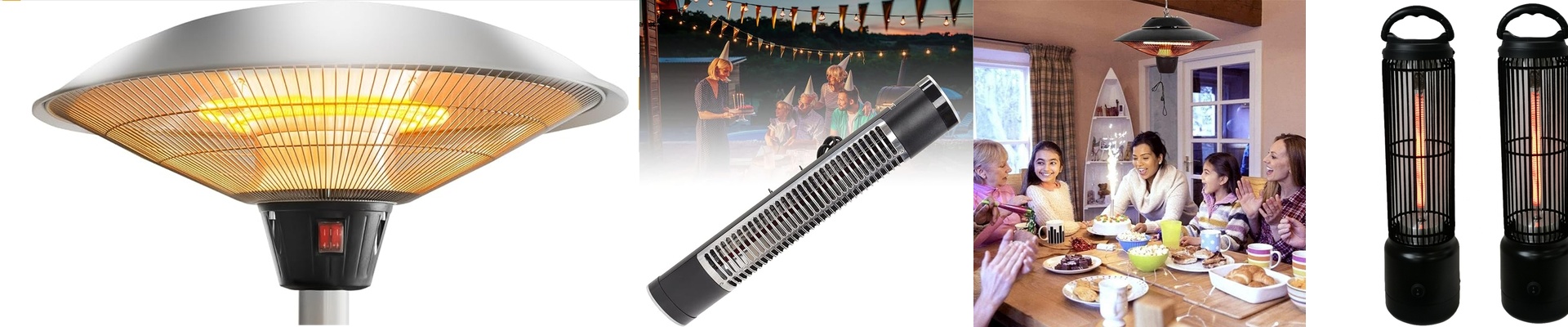
If you’ve ever tried to heat a room with massive ceilings, you know the struggle. Traditional heaters just push warm air up, where it sits comfortably at the ceiling while you’re shivering on the floor. Infrared is different. It doesn’t bother with the air. Instead, it beams heat directly onto you and your furniture. It’s like standing in a patch of sunlight on a cold day. But when you’re mounting these things high up, you need some serious power to make sure that heat actually reaches the ground.
Getting Them to Talk to Your Home
The real magic happens when you hook these up to your smart home setup—whether you’re using Zigbee, Matter, or just standard Wi-Fi. The best part? It’s nearly instant. You tap a button on your phone, and seconds later, you can actually feel the warmth hitting your skin. No waiting twenty minutes for a furnace to kick in. Under the hood, we use smart relays or PCBs to handle the switching. Since these heaters pull a lot of juice, we usually go with heavy-duty contactors. This keeps things safe when the power first surges. You can even set them to turn on automatically when you walk into the room or when the temperature dips.
The Not-So-Pretty Parts
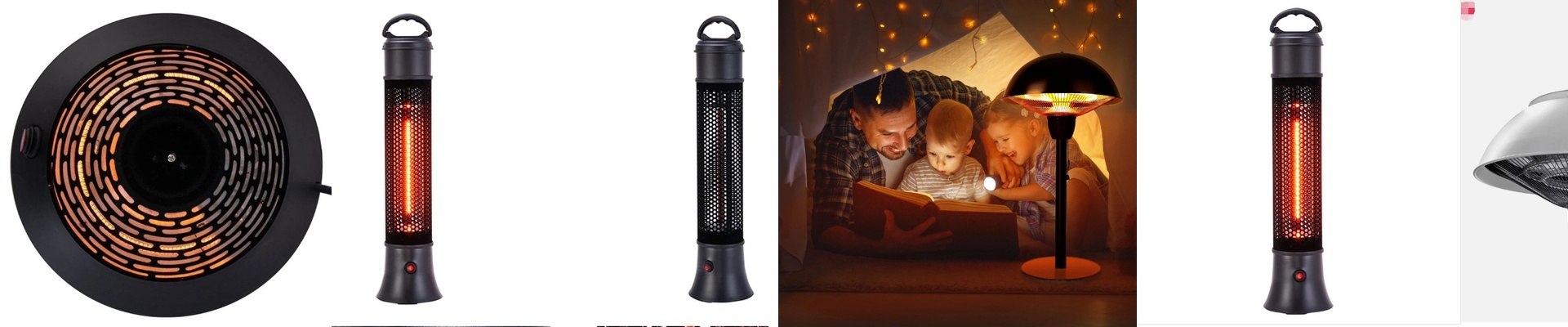
Here is the catch: these things are power-hungry. If you try to cram too many units onto one circuit, you’re going to trip your breaker. It’s a headache you don’t want. I always suggest dedicated circuits for each zone. It keeps the power steady and stops your lights from flickering every time the heat kicks in. Then there’s the lag. We’ve all dealt with that annoying delay where you click a switch and… nothing happens for three seconds because the cloud is thinking. To fix that, we use local edge controllers. It keeps the “brain” in your house, not in a data center miles away. You hit the button, and the heater fires. Period.
Real-World Setup
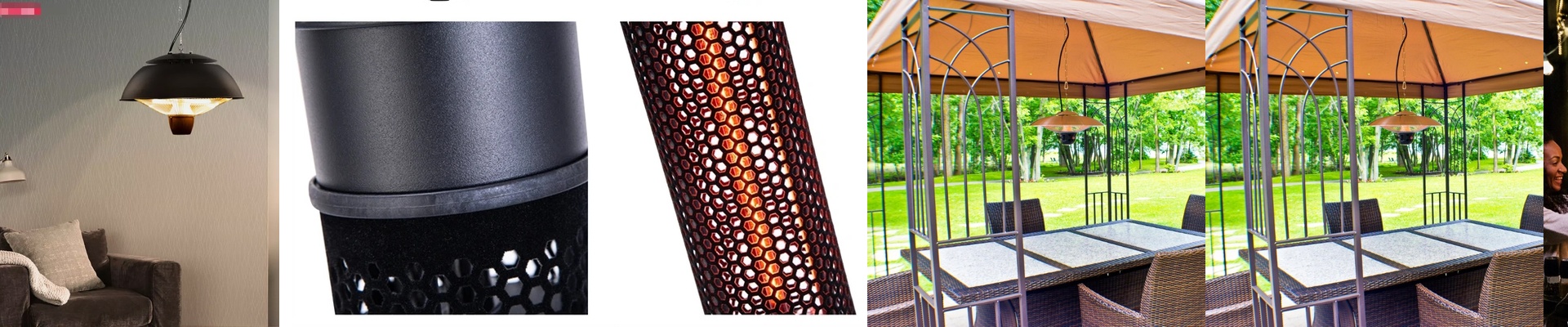
You can’t just slap these on the ceiling and hope for the best. You have to think about the “throw.” A heater at 6 meters needs a completely different reflector angle than one at 3 meters. If you get the wattage or the angle wrong, you’ll end up with weird cold spots on your floor. Or worse, you’ll bake the person standing directly under the lamp while everyone else stays chilly. It’s all about finding that sweet spot between the power output and the height of your ceiling.