


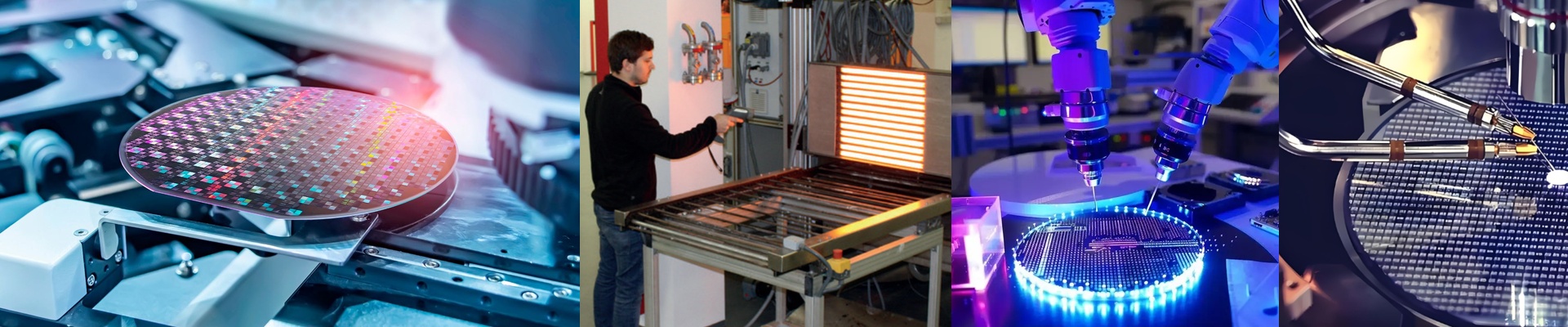
Why we’re ditching hot air for gold-coated IR
Let’s be honest about hot air. It’s slow. You heat the air, then the air heats the part. In the world of semiconductor processing, that middle step is just wasted time. You end up staring at the clock during long ramp-ups, and you’re always crossing your fingers that the heat is actually hitting the wafer evenly. It’s a drag.
The secret in the gold coating
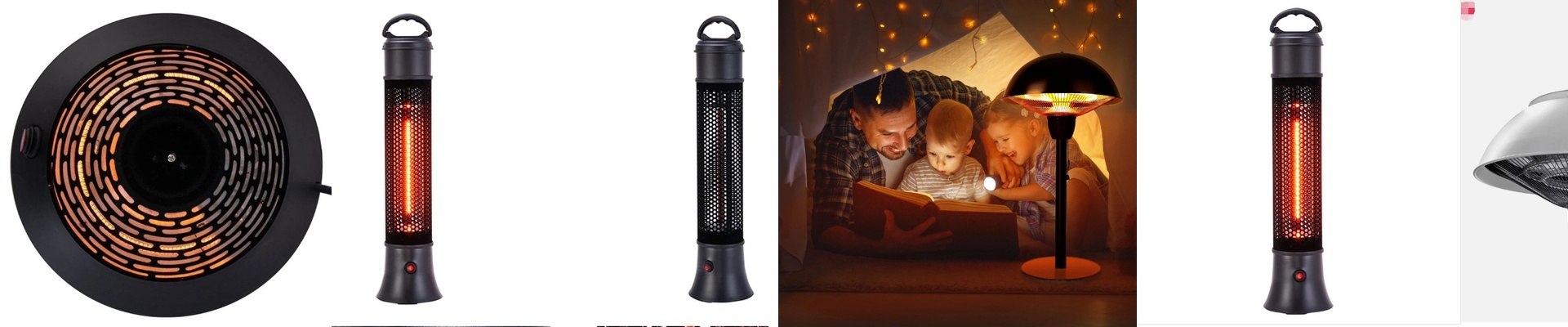
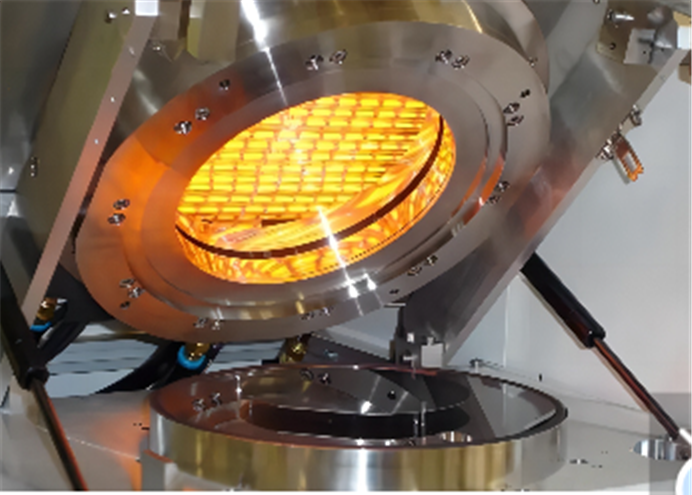
We decided to tackle this with a twin-tube design. Basically, we doubled the filament surface area without making the lamps ridiculously long. But the real magic is the gold coating. Think of it as a mirror for heat. Instead of letting infrared energy leak out into the chassis, the gold reflects it straight back onto the workpiece. You get this concentrated blast of short-wave energy that hits the target instantly. No waiting for the air to warm up. No lag. Just heat where you actually need it.
Saving time (and your sanity)
When you make the switch to gold-coated IR, your heating cycles shrink. What used to take minutes to stabilize now happens in seconds. And the best part? You can get surgical with it. Instead of baking the entire oven chamber, you can target specific spots on the semiconductor component. It’s a much gentler way to work, which means you aren’t risking thermal stress on your most sensitive materials.
The “catch” (and how to handle it)
Now, you can’t just rip out a hot-air system and plug these in. You can’t. Because the energy is so concentrated, things get hot—fast. If your ventilation is old or weak, you’ll end up warping your mounting brackets or frying your connectors. You’ve got to make sure your cooling systems are actually up to the task. A couple of pro tips: use high-temp leads for the wiring. And check your PID controllers. IR responds so quickly that if your controllers aren’t dialed in, you’ll overshoot your target temperature before you even realize it.