
Stop Wasting Your Heat: The Truth About Aluminum Reflectors
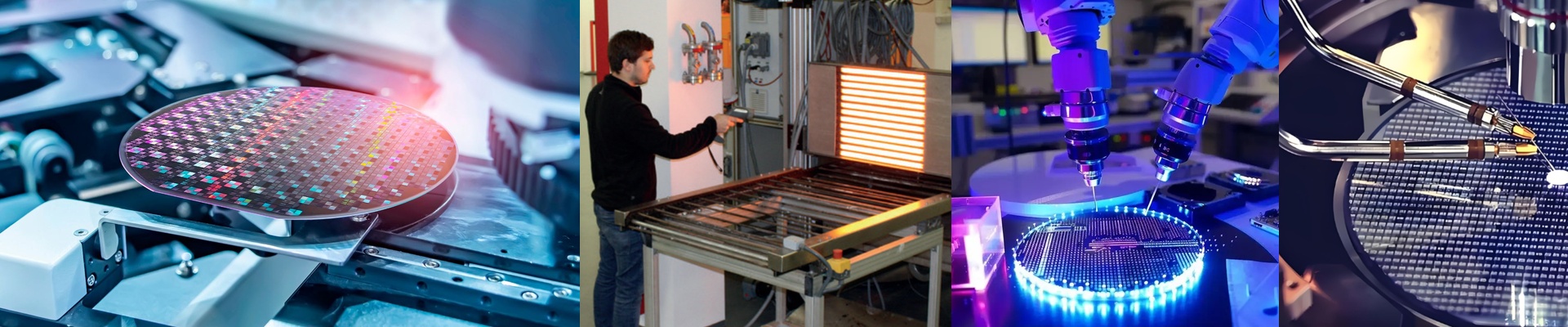
Building a modern Fab plant is about more than just slapping some sensors on a machine and calling it “Industry 4.0.” You need a thermal system that actually plays nice with your data. And if you’re using IR lamps, the aluminum reflector is the real MVP here. It’s the difference between your energy hitting the target or just heating up your machine frame for no reason. The basic physics of it Here’s the thing: an IR lamp throws energy in every single direction. If you don’t have a reflector, you’re basically throwing half your wattage in the trash. We use high-purity aluminum because it’s great at bouncing infrared light. By curving that aluminum into a parabola or an ellipse, we can grab that wasted energy and shove it right back onto the workpiece. You get way more heat density, but your electric bill stays exactly the same. It’s a win-win. Fitting into a digital setup When you’re running a smart Fab, your tolerances are tight. You can’t have heat bleeding everywhere. Aluminum reflectors let you pin that heat down to a specific zone. That’s huge because it keeps your nearby sensors from overheating. We’ve all seen it—sensors start drifting because they’re too hot, and suddenly your automated line is a mess. We designed these to be simple drop-in replacements. They fit into tight spots and keep the heat exactly where it belongs. The trade-offs (because nothing is perfect) Aluminum is the go-to for a reason, but it has its quirks. If your shop uses aggressive acids or corrosive chemicals, the surface can pit or oxidize. Once that happens, the reflector dulls, and your efficiency tanks. If your environment is harsh, just make it a habit to check the surfaces every now and then. And for heaven’s sake, get your alignment right. If the lamp isn’t centered, you’ll get hot spots. That leads to uneven curing, which means wasted parts. Just take a second to align the focal point, wire it up, and you’re good to go.