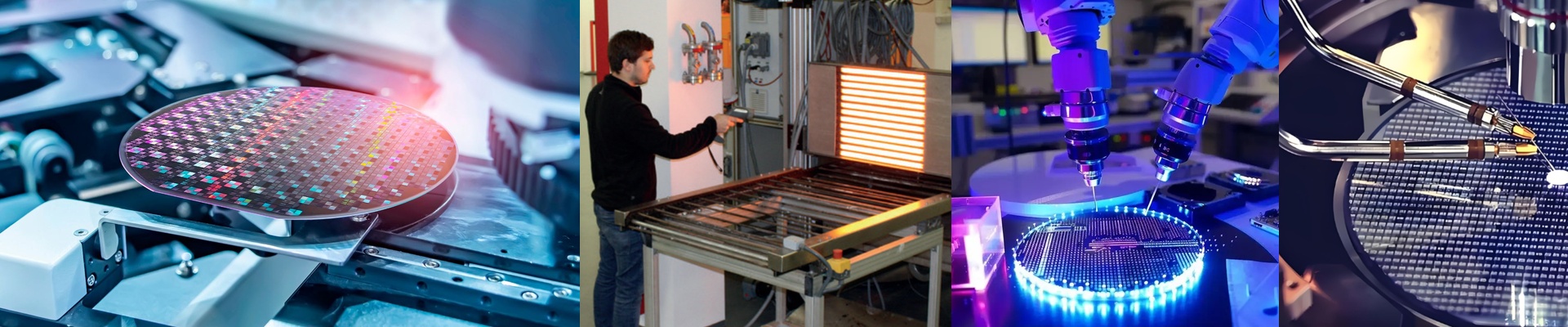

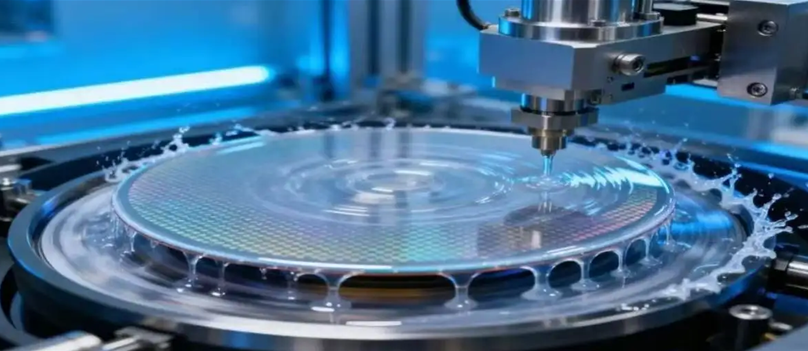
On the fab floor, the wafer dryer sits right between the spin track and the hot plate. If its lamps drift, thermal uniformity falls apart. Soft bake and hard bake temperatures start to wander, and critical dimension variation follows. That means scrap, rework, and the kind of unplanned downtime nobody has time for. What matters under the hood We build replacement bulbs for wafer dryers around halogen sources with tight spectral control, offered in short-wave and medium-wave. The quartz envelope is clean—low outgassing, and no particle generation. Output stability holds ±0.1°C across the wafer plane, and the thermal profile repeats shift after shift. You get 100–240 V operation, standardized bases and connectors, and dimensions that drop straight into the major dryer platforms. Lifetime hits 5,000+ hours with under 5% output decay, so you cut change-outs and the particle risk that comes with them. Why it holds up in production In Class 1–100 cleanrooms, the bulb’s clean burn keeps particle counts in line and protects the photoresist stack. Temperature precision keeps the thermal budget within spec, which improves line-width control and knocks down defects tied to bake nonuniformity. You also see lower energy use thanks to stable, efficient radiant output, and the long life stretches mean time between interventions. The payoff is simple: the line keeps moving, interruptions drop, and maintenance windows stay predictable. The practical details Match lamp length, wattage, and connector type to the OEM fixture—mismatched reflectors or bases will give you hot spots. Make sure the spectral output lines up with the process recipe: short-wave is the call when you need rapid surface heating; medium-wave is better for bulk curing. Expect about a 15-minute warm-up to hit setpoint stability, so plan swaps during planned idle windows. Handle with gloves and follow static-safe procedure. A fingerprint on the quartz may look harmless, but after thermal cycling it can turn into a particle source.