
Making Semiconductor Heat More Sustainable (and Less of a Headache)
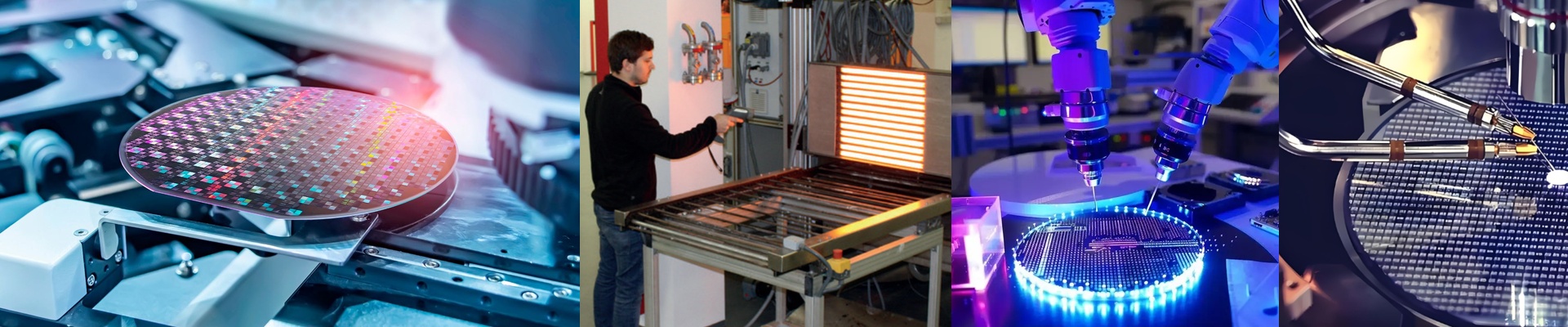
The push for carbon neutrality in chip making is real. We’re seeing a big move away from those old-school thermal ovens in favor of infrared (IR) heating. It just makes sense—why waste energy heating up a whole giant chamber when you can just aim the heat right at the wafer surface? But here’s the catch: for this to actually work, your wiring has to be bulletproof. Specifically, the Teflon (PTFE) coated wire. If that stuff can’t handle the constant swing between freezing and scorching, the whole system falls apart.
The Heat Struggle
Inside these heaters, the wiring is practically hugging high-intensity IR lamps. It gets hot. Really hot. We lean on PTFE because it doesn’t flinch until about 260°C. If you tried to use standard PVC or silicone, you’d be in trouble. They’d melt or start off-gassing, which is a nightmare in a cleanroom. Plus, PTFE keeps things insulated so you don’t end up with short circuits in those crowded cable looms where the heat is most intense. You need a wire that doesn’t shrink or crack after a thousand heat cycles. Because once that insulation fails? You get arcing. And arcing means your machines stop running, which is the last thing anyone wants.
The Trade-offs
Since we’re dealing with high-current IR loads, the “feel” of the wire matters. Teflon is slippery. It has a low coefficient of friction, so it slides through narrow conduits in the chassis without snagging. It’s a breeze to route. But it’s not perfect. PTFE is stiff. It doesn’t bend as easily as silicone does. If you try to jam it into a chassis that’s too tight, you’re going to put a ton of stress on the solder joints at the lamp terminals. You’ve got to leave some breathing room in your cable management to account for that rigidity.
The Big Picture
When you pair IR systems with high-temp PTFE wiring, you stop wasting power on “idle heating.” Things ramp up faster. The power draw drops. You’re using fewer kWh per wafer. It’s a straightforward, practical way to hit those green factory goals without slowing down production.