
How to Heat Silicon Wafers Without Messing Up Your Cleanroom
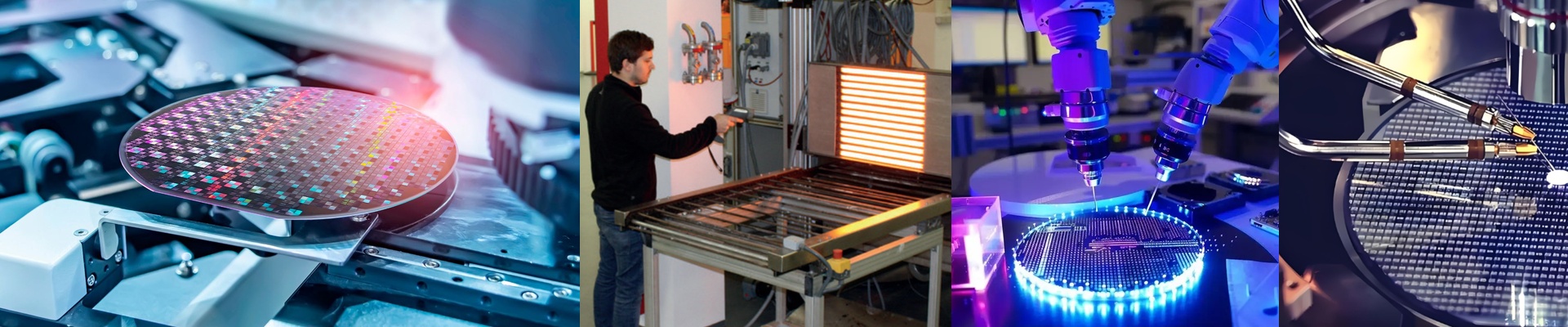
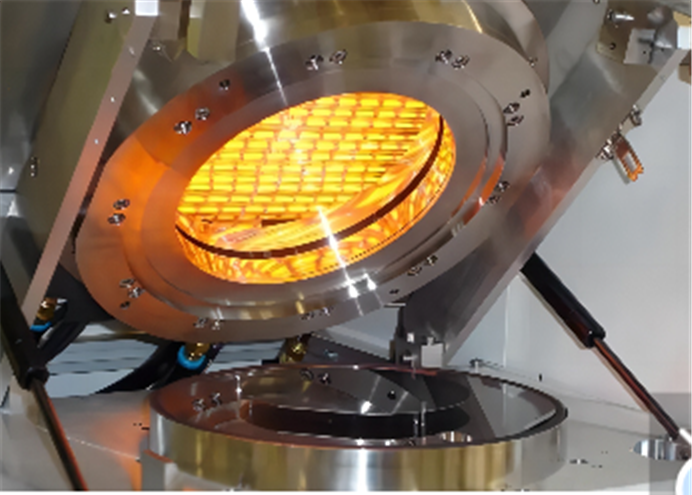
When you’re working in a Class 100 cleanroom, one tiny speck of dust is a disaster. Just one. If you’re heating silicon wafers, you can’t have materials shedding or gases leaking into the air. Standard heating elements? Forget about it. They leak particles, and in this environment, that’s a non-starter. That’s why we stick with high-purity synthetic quartz infrared lamps. The secret is in the quartz. We use fused silica with almost zero impurities. Why? Because when things get hot, you don’t want chemicals leaching out. The quartz envelope acts like a tight seal for the tungsten filament. It keeps the filament from reacting with the air, which means no metallic oxides drifting down and landing on your wafer. But here’s the tricky part: distance. If you mount the lamp too close, you’ll shock the wafer or get hot spots. Too far, and you’re just wasting energy heating the air in the room. We spec these for short-wave IR. It’s a cleaner way to work because the heat goes straight into the wafer substrate instead of warming up the whole chamber. A few things to watch out for. These lamps pack a serious punch. The heat density is huge, so your ramp-up times are incredibly fast. But that puts a lot of pressure on your power supply. Double-check your wiring and connectors. If they aren’t rated for the wattage, you’re going to see them burn out at the terminals. Also, remember that high-purity quartz is brittle. It’s not something you can just toss around. If you’re too rough during installation, you’ll get micro-cracks. You might not see them at first, but once the lamp starts cycling through temperatures, it’ll snap. Keeping it truly dust-free. To make sure there’s zero contamination, we stripped out all the organic binders and adhesives. Everything in the assembly is inorganic. This is a big deal. It means there’s no “burn-off” period. You won’t get those annoying volatile organic compounds (VOCs) floating around your cleanroom the first time you power up. You just wire it in, dial in your distance, and you’re good to go.