

Keeping Your Class 100 Cleanroom Actually Clean
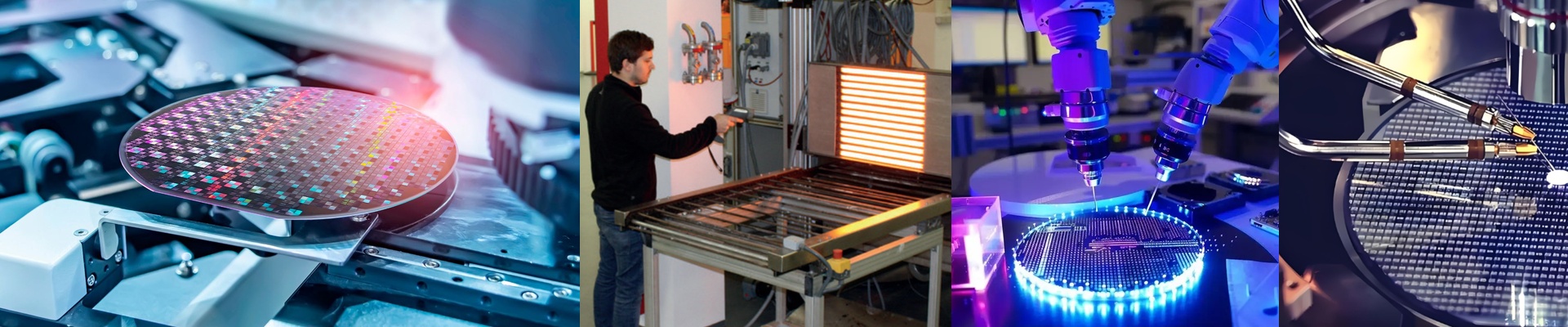
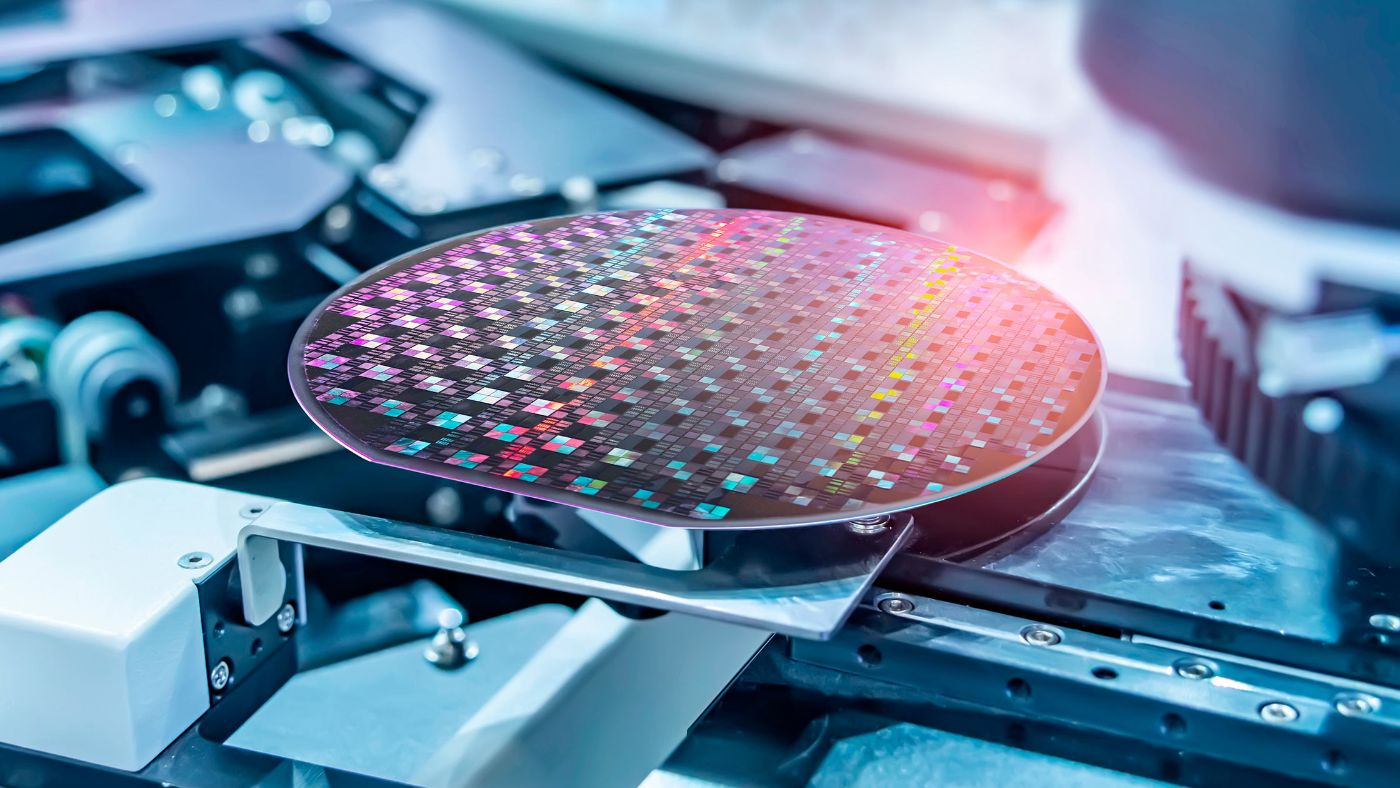
When you’re processing wafers, a single speck of dust isn’t just an annoyance—it’s a disaster. It kills your yield. The problem is that most standard heating elements are “dirty.” They outgas or shed tiny bits of debris right when you need them to be invisible. That’s why we switched to high-purity synthetic quartz for our IR lamps. It just works better.
Why the quartz matters
We use fused silica with almost zero impurities. If you’ve ever used lower-grade quartz, you know how it gets “cloudy” or starts breaking down once things get hot. Ours doesn’t do that. It’s chemically inert, meaning it won’t react with the air or drop particles onto your wafer. Plus, these lamps run on short-wave IR. The heat hits the wafer surface fast. Because the substrate isn’t sitting under high heat for ages, you don’t have to worry as much about thermal stress or the wafer warping. It’s quick. Efficient.
Stopping the leaks
Most contamination doesn’t happen in the middle of the lamp; it happens at the ends. We fixed this with specialized sealing and high-grade electrodes. No metallic vapors leaking out during the ramp-up. We also shaped the housing so it doesn’t mess with the laminar flow of your cleanroom. You don’t want turbulence kicking up dust. One heads-up: keep an eye on your power density. These lamps hit target temps fast, but that’s a lot of heat flux. Make sure your shielding is spec’d correctly. If your chassis isn’t vented, the heat will soak into everything and throw off your sensor readings.
Getting them into your line
You don’t need to re-engineer your whole jig. We designed these as drop-in replacements, so they fit right into your existing heating arrays. The only catch? You have to be obsessive about how you handle them. Seriously. Even a single fingerprint on the quartz can create a hot spot, and that’s how you get a premature burnout. Keep them pristine, and they’ll keep pumping out the same output for thousands of cycles.