
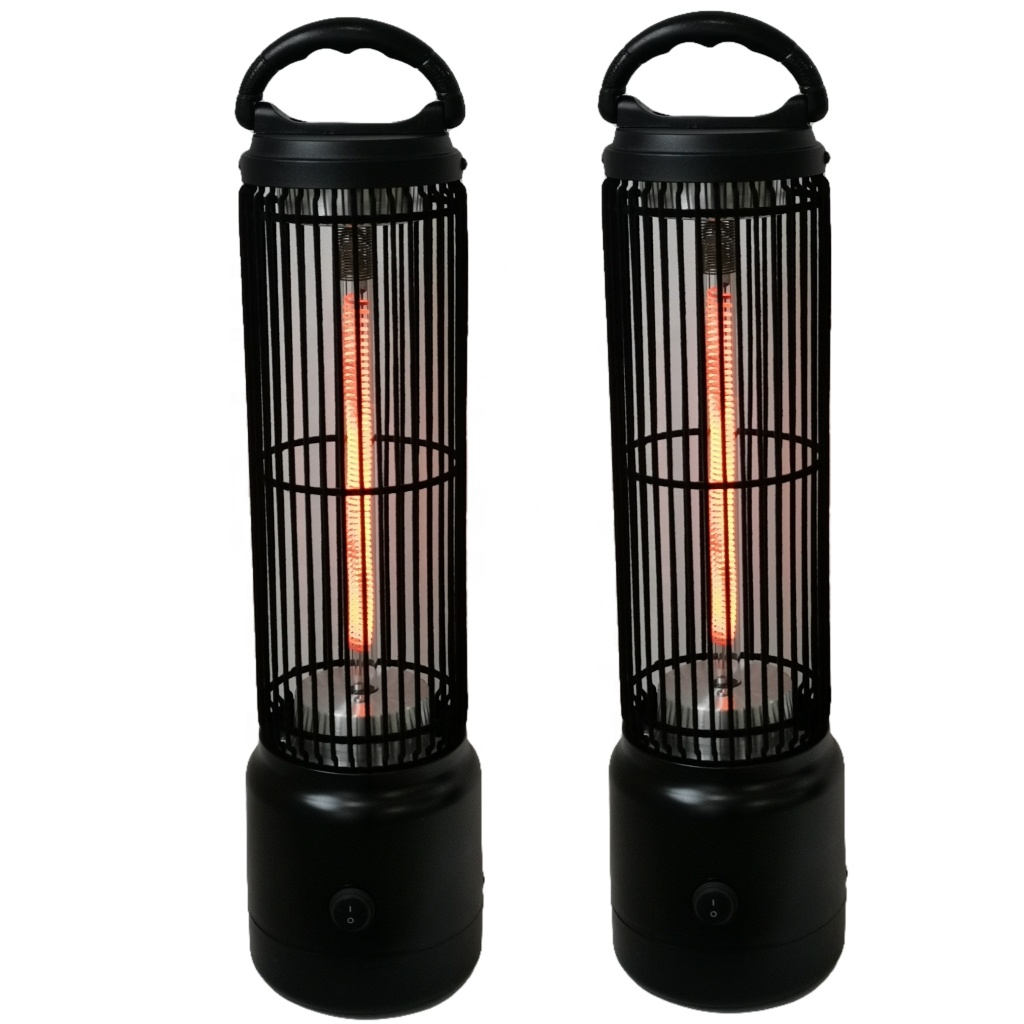
Getting the Heat Right in Your Bathroom
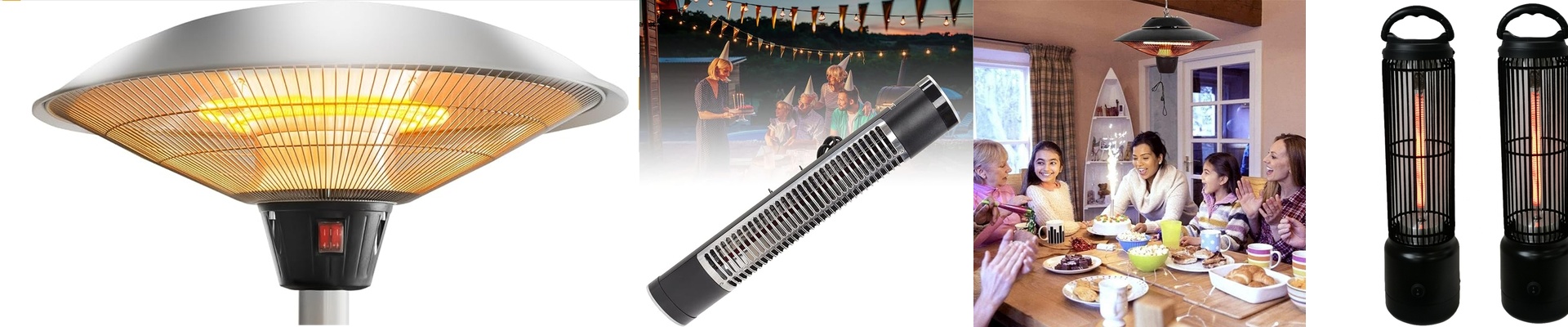
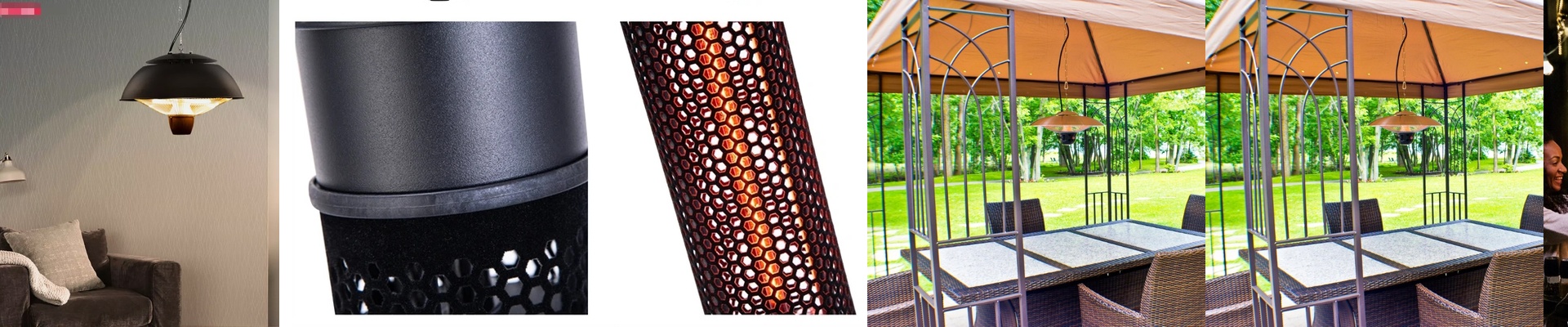
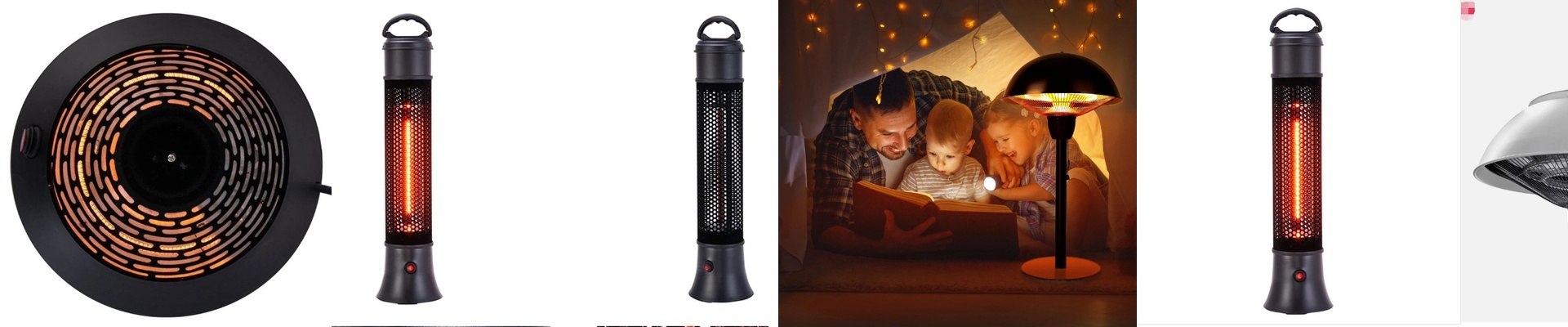
When you’re picking out an IP65 infrared heater, don’t just go for the biggest number on the box. It’s tempting to think “more power equals more warmth,” but that’s not really how it works. If you put a massive heater in a tiny room, you’re just wasting electricity and making the space feel like a sauna. On the flip side, a weak heater in a big room just leaves you shivering. Finding the sweet spot It really comes down to how much space you’re dealing with. If you’ve got a small powder room (under 4m²), a 250W to 400W shortwave lamp does the trick. These are great because they warm you up directly, rather than trying to heat up all the air in the room. For medium-sized bathrooms (4m² to 8m²), you’ll want to bump that up to 600W or 800W. And if you’re dealing with a huge master bath—anything over 10m²—you might need a few 800W points scattered around. Otherwise, you’ll end up with those annoying cold spots where the heat just doesn’t reach. Keeping things safe Since bathrooms are, well, wet, water is the biggest enemy here. That “IP65” rating is just a fancy way of saying the seals are tight enough to keep dust and water sprays away from the electrics. We use tempered glass and reinforced gaskets for a reason. It stops the lamp from cracking if a splash of cold water hits the hot surface. It’s one of those things you don’t think about until you actually need it. The trade-off The best part about shortwave lamps? They’re instant. You flip the switch and you feel the heat immediately. No waiting around for a radiator to warm up. But there is a catch. High-wattage lamps can feel a bit “harsh” if they’re too close to your head. It’s all about the mounting height. A 1000W lamp needs a lot more breathing room above it than a 400W one to keep the heat feeling natural. One last tip: hook it up to a timer or a sensor. You don’t want it running all day, or you’ll see a nasty surprise on your energy bill.