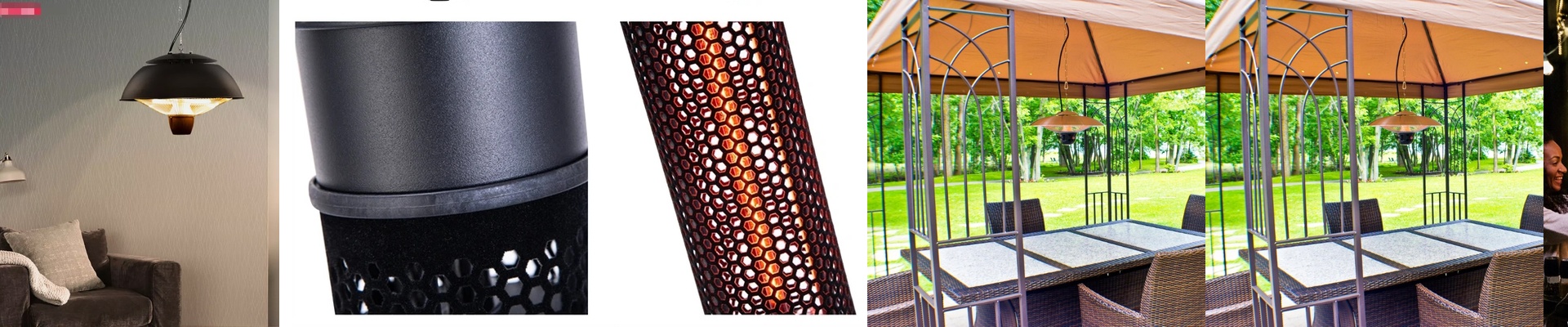

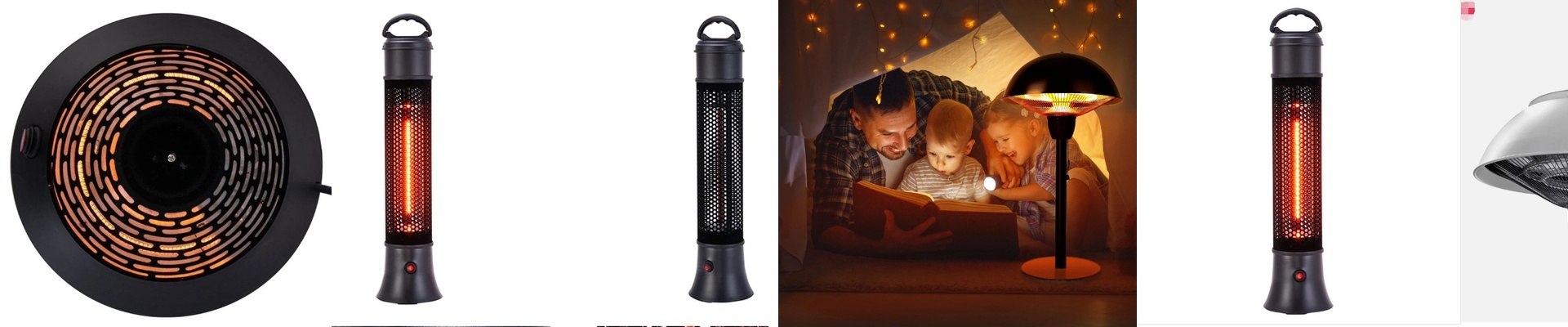

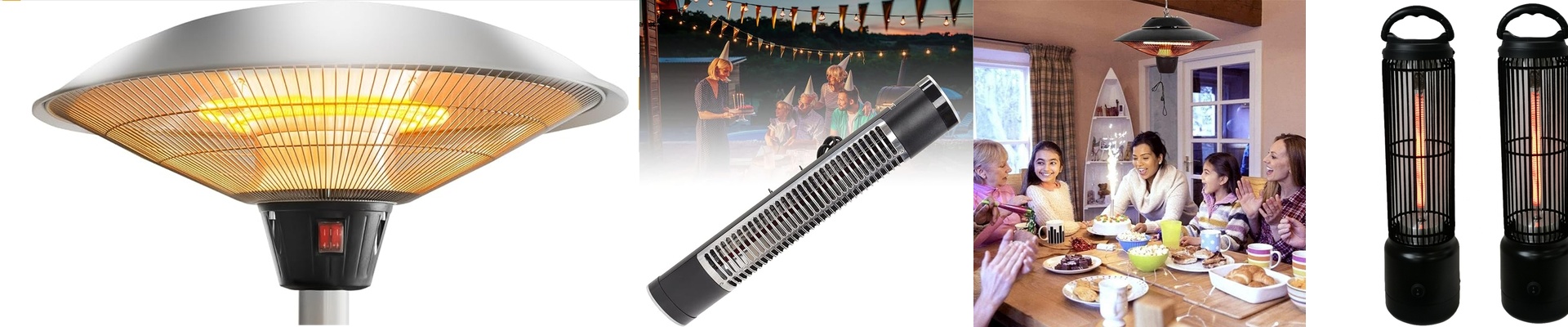
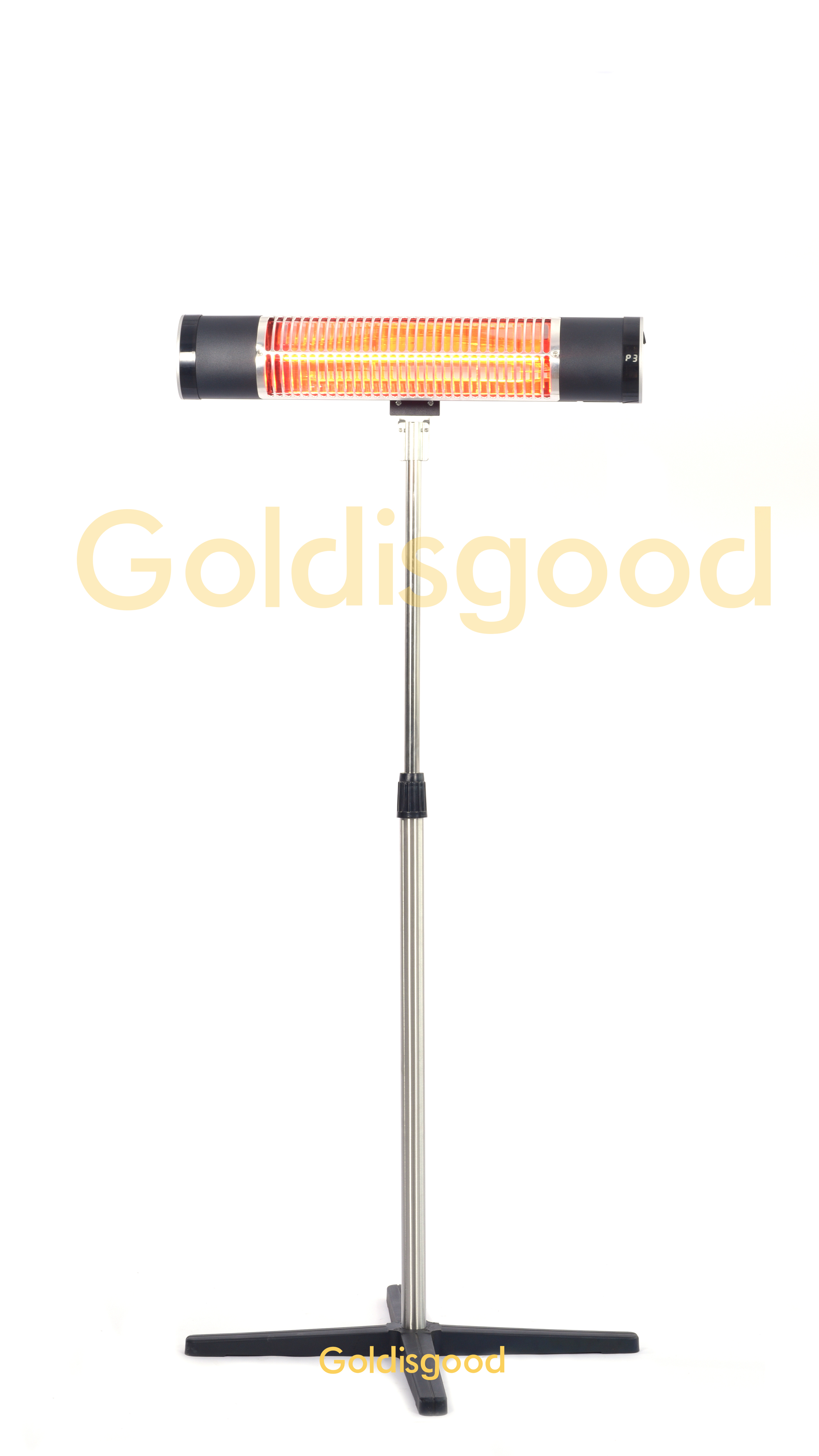
Cold floors and drafty corners have a way of turning your house into somewhere you just pass through. We built our infrared room heaters to fix that—to make solid, modern warmth accessible, dependable, and practical for more homes.
What matters under the hood
Infrared room heaters work the way sunlight does: they radiate heat directly to people and objects, warming surfaces without first heating the air. Inside our units, a carbon fiber element sits in a sealed quartz tube—chosen because it heats up fast, delivers even output, and holds up over time. You feel the warmth almost immediately, instead of waiting around for the room to “catch up.” A built-in thermostat keeps the temperature steady, and tip-over protection shuts the heater off if it gets knocked over. For indoor use, we keep it quiet—no loud fans, just steady infrared warmth.
Why this approach fits real homes
This is about making comfort straightforward: place it where you need it, use it without a learning curve, and count on it to last. Because radiant heat warms what it touches, you can keep the overall room temperature lower and still feel cozy—often helping with energy use. The unit is light enough to move from the bedroom to the living room, and the controls are simple enough that anyone can use it without fuss. It shines for evenings when you want warmth right where you’re sitting, without roasting the whole house.
The details that make it work
Infrared heaters are most effective when aimed at the people in the room, so positioning matters. They’re designed forsupplemental heating, not as a whole-home replacement, and perform best in well-insulated spaces. Keep the heater on a level, hard surface and leave at least three feet of clearance from walls and furniture. If you’re trying to warm a drafty area, pair the heater with improved insulation for the best results.