
Why We Stick with Infrared Halogen Tubes for Lead-Free Work
When we build our stainless steel heater housings, we always start with the same heart: the shortwave infrared halogen tube. In semiconductor manufacturing, lead-free and environmental compliance isn’t optional. It’s the baseline. Infrared curing has become the standard because it gives you fast, focused heat without dirtying up the line. The physics are honestly simple. A 2500W, 400V tube packs a lot of heat into a small space. It ramps up quickly and responds the moment you need it. And that 300mm length? That wasn’t chosen by accident. It concentrates the heat right where you need it—on the substrate—without turning the rest of the assembly into a hotbox. The result is lower overall energy use, even when you’re running full blast.
The Details: Quartz, Coating, and a No-Nonsense Connection
We use a quartz envelope with a halogen fill. Quartz handles the shock of rapid on/off cycles, and it transmits infrared cleanly. Inside, the halogen cycle keeps regenerating the filament. That’s what stretches service life and keeps output steady—hour after hour, for thousands of hours. We also add a reflective coating on the tube. It focuses the infrared energy forward, so you don’t waste heat and you get repeatable results. Then there’s the R7s connector. It’s practical, not flashy. It locks the tube in place, carries the current safely, and makes replacement quick when you’re out on the floor. This is a drop-in part built for the reality of production—tough, dependable, and easy to swap.
Real-World Use: Heat That Behaves
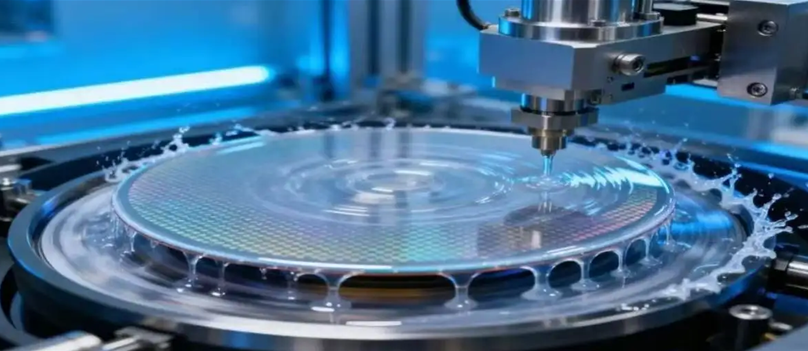
In semiconductor drying and curing, you need a clean thermal profile that meets tough environmental and energy targets. Infrared halogen tubes deliver exactly that—no preheat wait, and tight control over the heat zone. But let’s be honest: putting 2500W into 300mm comes with a trade-off. You need serious cooling and thermal management in the machine. If the housing and cooling are undersized, you’ll run into overheating and early failures. We design the stainless steel housing to handle the load, but the whole system still needs a robust cooling plan.
What It Means for You
For engineers, this setup translates into faster cycle times, less energy per unit, and a process that lines up with global lead-free and energy-saving standards. It’s heat you can trust—precise, clean, and ready to work.