


What We Learned Building a Sunroom Heater—From 2,000 Real European Homes
We didn’t design this heater from a whiteboard. We designed it after walking through 2,000 European homes and seeing what actually matters. You need something that goes in clean, heats up fast, and just keeps working—no drama, no fuss.
Power, Voltage, and Size: The Practical Version
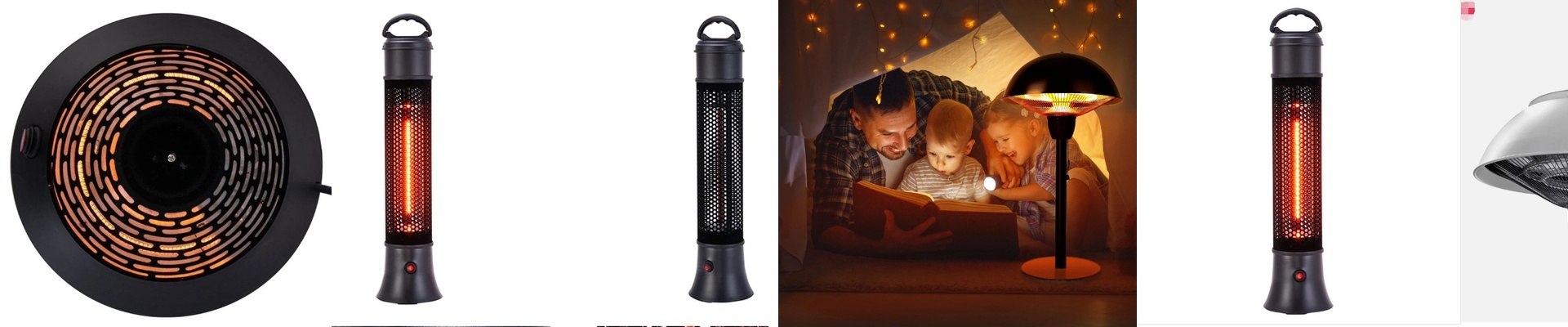
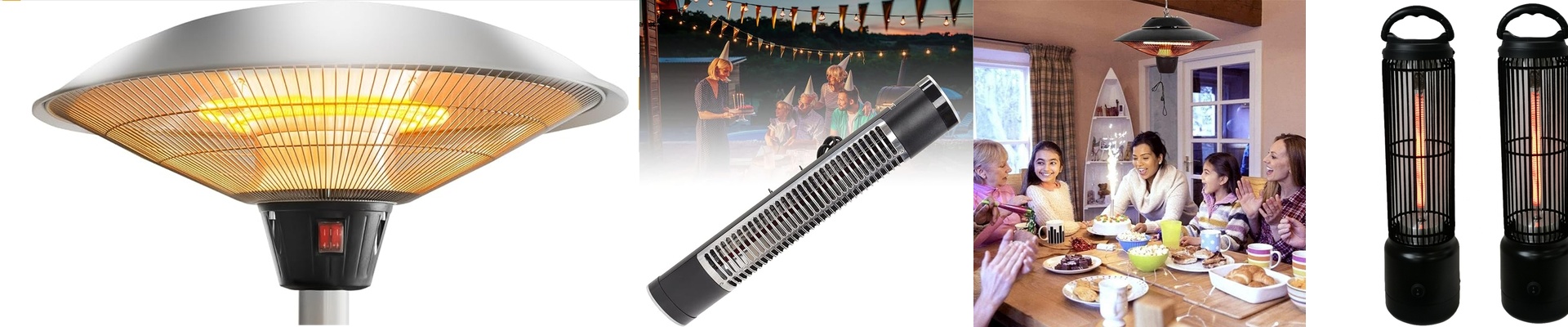
Here’s the core idea: we built a modern infrared heater around400Vand ahigh-output halogen element, because that’s what it takes to throw serious warmth into big glass rooms quickly. And we kept the tube short—300mm—so it fits where space is tight. Ceiling cavities. Wall pockets. Places where you don’t want to rework the whole room just to add heat. That combo gives you a lot of heat energy in a small footprint. But it also means your wiring and control gear need to be rated for 400V. Plan for that, and the install stays straightforward.
What It’s Made Of—And Why It Feels Solid
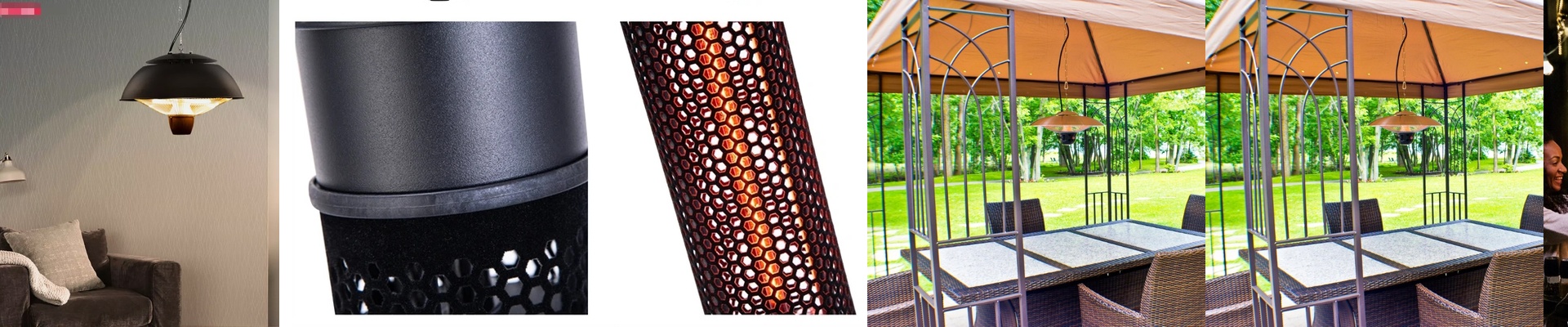
The tube is**quartz, with ahalogen fill**. Halogen helps keep the filament stable when things get seriously hot, and it reduces the blackening you can get over time—so the output stays consistent. Quartz handles thermal shock and UV exposure. That matters in a sunroom, where the sun beats in, the air cools fast, and materials get punished. For the connection, we went with anR7s connector. It locks the tube in with a secure, low-resistance contact. It’s a standard, field-proven interface, and that’s the point: no custom brackets, no wrestling with fragile terminals. You drop the tube in, seat it, and you’re back up.
Why This Approach Works in a Sunroom
A sunroom fights a constant battle: heat loss through the glass, drafts, and air that cools down fast. Traditional heating pushes air around. Our infrared heater warmspeople and surfaces directly. That means comfort where you actually feel it—without wasting energy heating empty air. The 400V halogen-quartz tube gives you high intensity in a compact size, so you can put heat exactly where you need it—without bulky ductwork taking over the space. And the R7s interface keeps maintenance simple, so downtime stays low.
The Trade-Off (Because Every Good Design Has One)
High heat density means you need proper thermal management in the enclosure. Make sure the mounting area has enough clearance and ventilation. It’s a small step, but it matters. We built this heater to meet the real demands we saw on the ground: install that stays clean, performance that stays stable, and service that doesn’t turn into a project. If you’re planning a sunroom and want infrared heat without overcomplicating the build, this is the practical way to get it done.