On a quiet evening, the living room settles—yet the air feels empty. You hit the thermostat, and the usual routine kicks in: the blower whirs, dust gets stirred, and comfort takes its time. What you actually want is warmth that shows up the moment you sit down—no noise, no drafts.
What’s actually happening under the hood
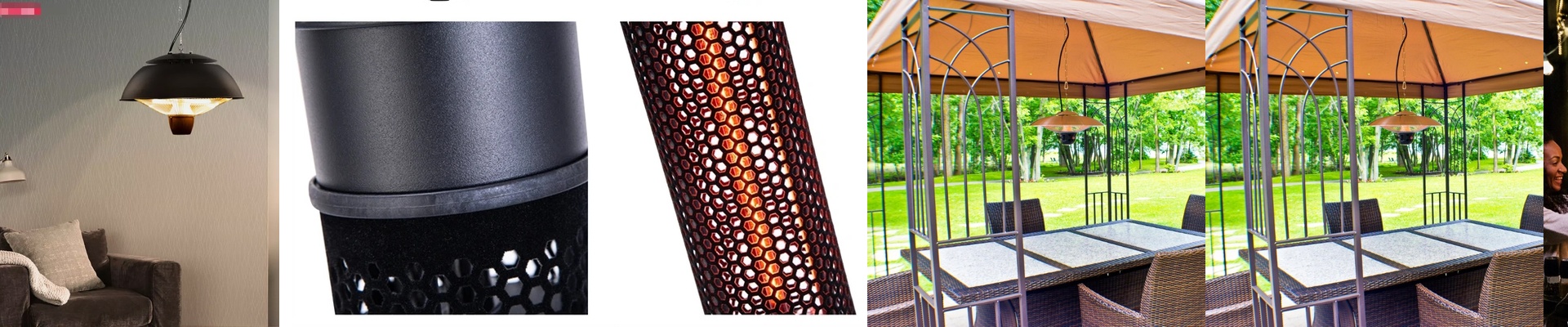
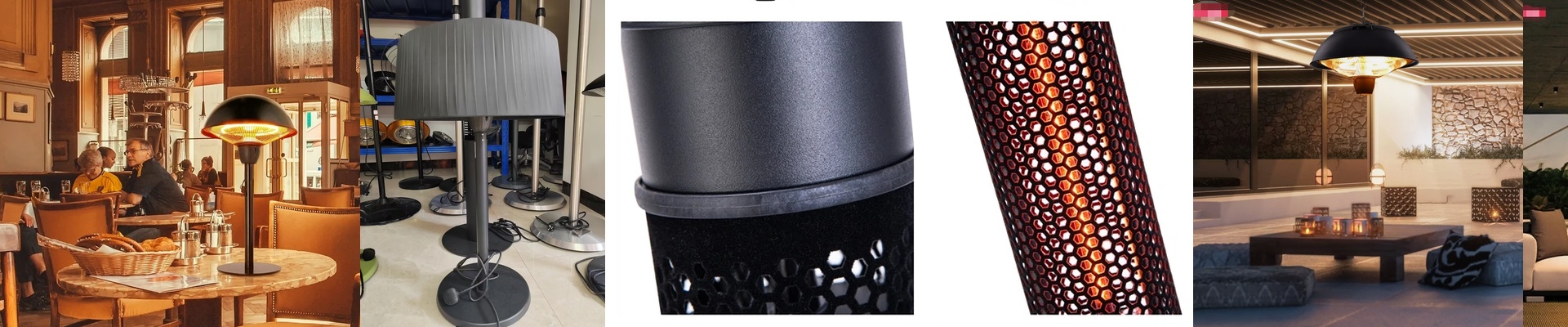
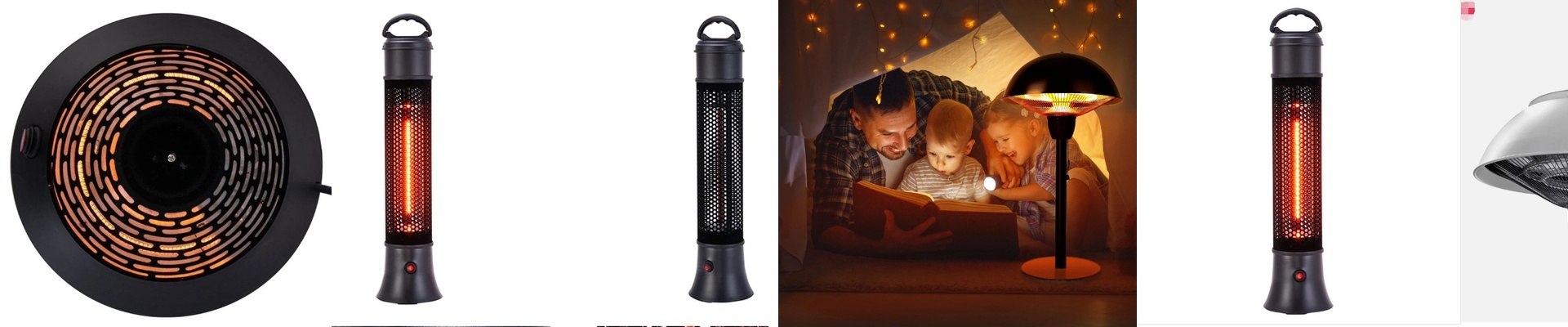
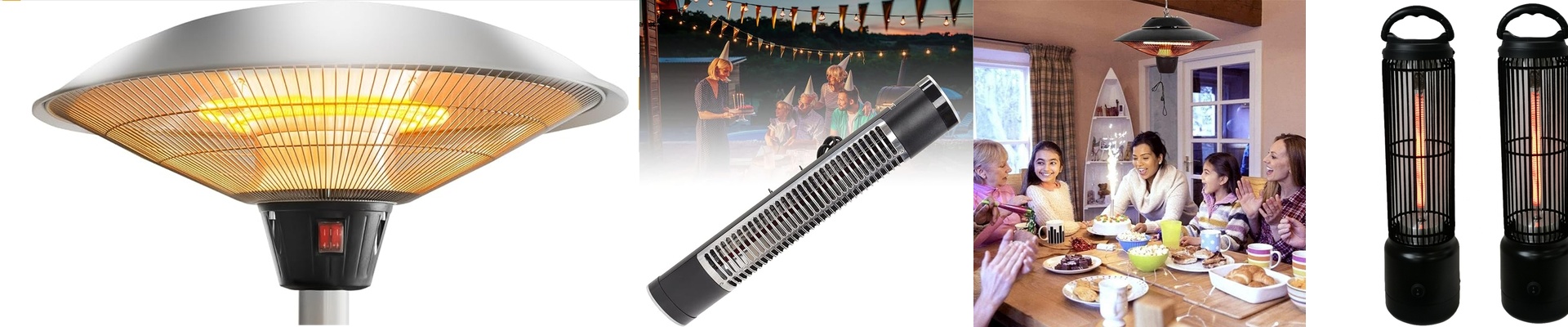
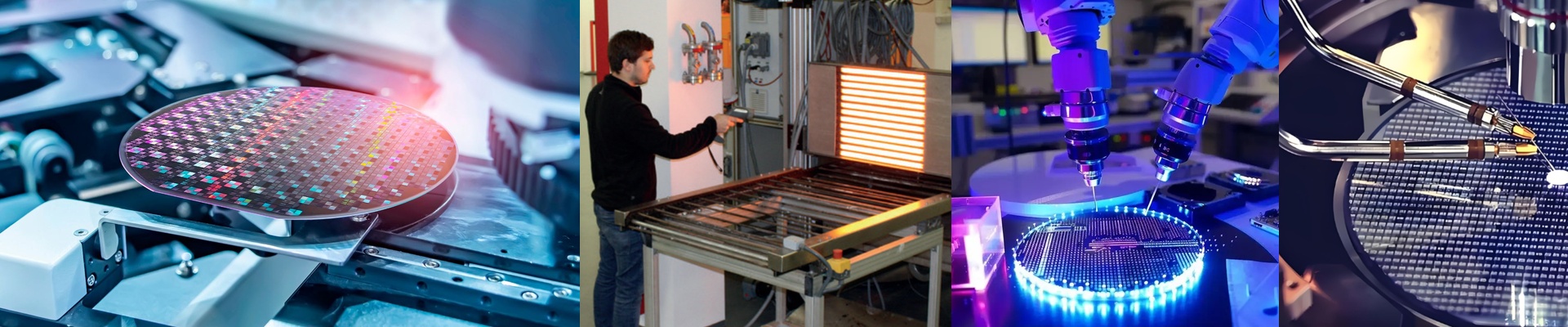
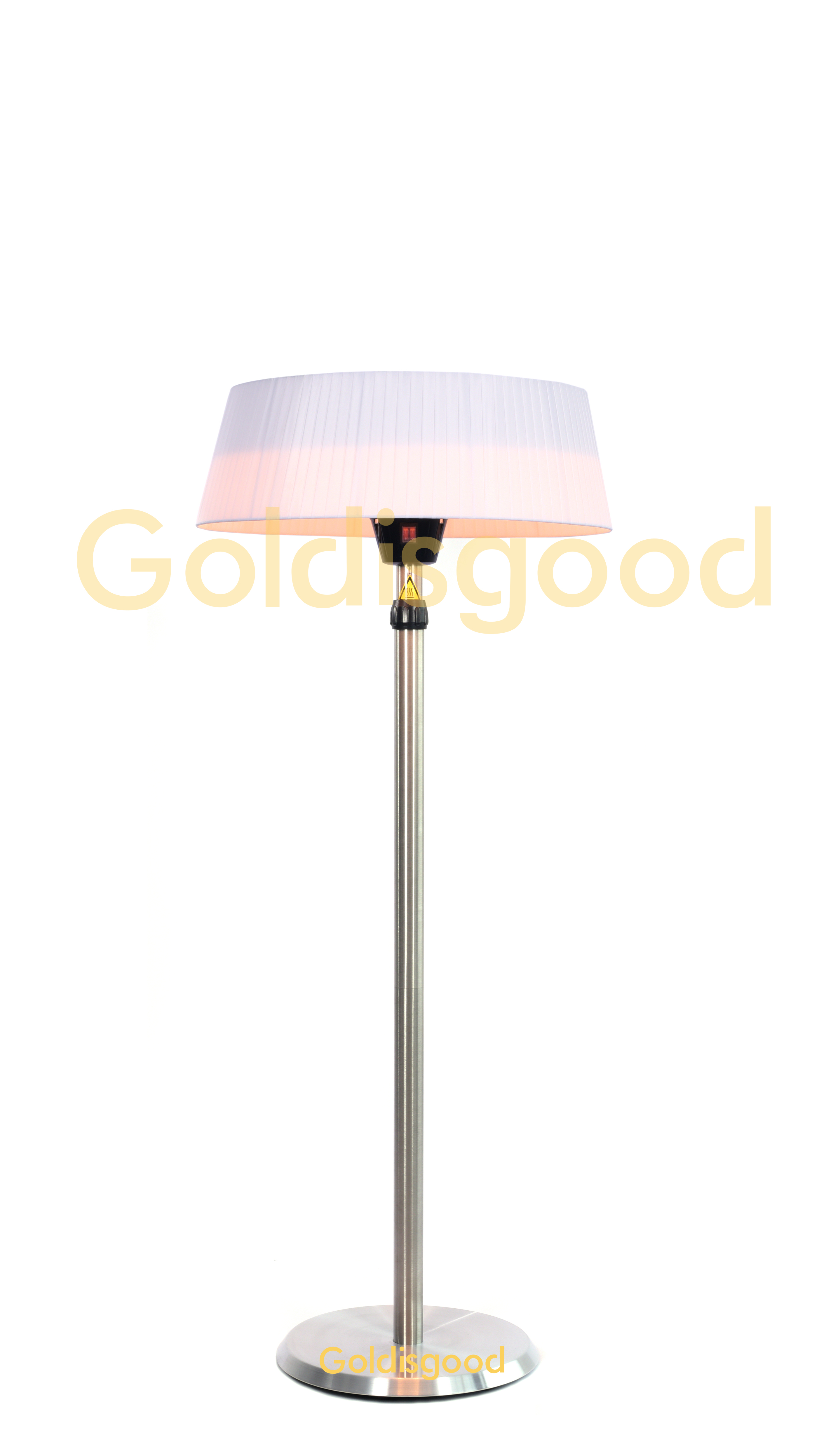
A mantle electric fireplace built around infrared technology is meant to turn electricity into usable heat with very little waste. In our design, the core infrared element converts up to 99.8% of electrical input into effective radiant heat. Almost all the energy comes out as direct infrared warmth, not as moving air. Heat travels outward fast—think line-of-sight—warming people and objects first, then letting that warmth ease into the room. We pair that with a high-purity quartz tube and a reflector that directs the beam downward and outward, so the heat lands where you actually sit, not just where the unit is mounted. The output is immediate, and the feel is steady. No cycling hot-and-cold blasts—just consistent radiant comfort.
Why this makes sense in a living room
In a living room, the payoff is how quickly the space feels right. With forced-air, you often end up heating the ceiling and floor while the room lags behind. Infrared changes the feel of that wait. You notice it within seconds, especially if you’re parked on the sofa or in a reading chair. That immediacy also helps comfort beyond just temperature. Radiant heat is easier on the air, so the room is less likely to feel dried out, and it can make breathing feel more comfortable. And if quiet matters, there’s no fan noise, no drafts, and no dust getting pushed around.
The details that matter on install and use
Infrared heat is directional. It shines when it’s aimed at seating, so placement matters more than with a convection heater that warms the whole room by air movement. For the best results, position the mantle so the primary beam covers the spots where you spend the most time. Also, because the unit delivers heat directly, the overall warmth still depends on insulation and air exchange. In a drafty space, pairing the fireplace with better sealing or a supplemental convection heater is often the practical way to go. We design these mantles for standard household circuits, but we always recommend a dedicated outlet and professional installation—keeps everything safe, clean, and code-compliant.