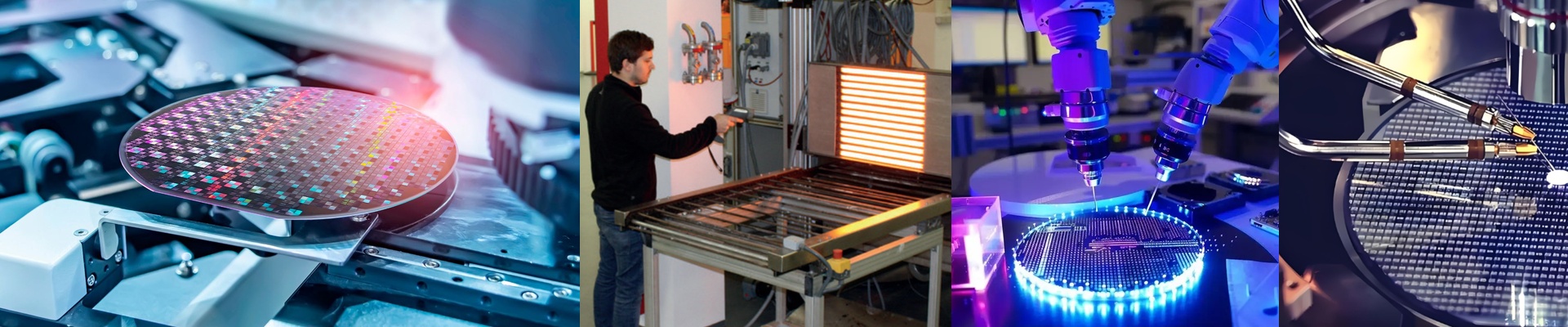
On the lithography floor, a 0.3°C drift during the photoresist bake is the kind of thing that turns a controlled run into scrap. Wafer thermal budget isn’t negotiable—you either hold it or you pay for it. We built our infrared quartz lamps around that reality, because the process demands repeatable heat, period.
What matters, technically We run short-wave infrared quartz emitters for rapid, direct energy transfer with sub-second response. Across the wafer, thermal uniformity holds within ±0.1°C, and cycle-to-cycle repeatability stays within ±0.5°C. The lamp body and reflector geometry are engineered to cut down stray heat and shadowing, so the thermal profile stays aligned with the patterned field. Output is stable from 200°C to 650°C with tight spectral control, which protects photoresist integrity during both soft bake and hard bake. Cleanroom-ready construction keeps particle generation low, so it plays nice in Class 1–100 environments. Why it works in production In the fab, the lamp drops into coat/bake tracks and stand-alone bake stations without a rework cycle. Fast ramp-up shortens bake time, which boosts throughput while you hold critical dimension control. Energy use falls because the heat goes exactly where it’s needed, and the emitter life stretches out under controlled thermal stress—meaning fewer surprises and less unplanned downtime. The payoff is fewer rework lots, specs that stay tight across the lot, and maintenance windows you can actually plan around. The things you actually need to watch Installation comes down to respecting thermal clearances and coolant routing so the baseplate and optics stay at a stable temperature. Make sure voltage and connector compatibility line up with your tool; mismatched terminations will create hot spots that eat away at uniformity. Plan for periodic reflector inspection and emitter calibration—this isn’t plug-and-play. When you align it to the process window, the lamp delivers the stability wafer fabrication has to have.
על רצפת הליתוגרפיה, סטייה של 0.3°C במהלך אפיית הפוטורזיסט היא דבר שמשנה ריצה מבוקרת לגרוטאה. תקציב החום של הוופר אינו פתוח למשא ומתן – או שאתה עומד בו או שאתה משלם על כך. בנינו את מנורות הקוורץ האינפרא-אדום שלנו סביב המציאות הזו, כי התהליך דורש חום שניתן לחזור עליו, בלי פשרות.
מה שחשוב, מבחינה טכנית
אנחנו מפעילים פולטי קוורץ אינפרא-אדום בגל קצר להעברת אנרגיה מהירה וישירה עם תגובה מתחת לשנייה. על פני הוופר, אחידות התרמית נשמרת בטווח ±0.1°C, וחזרתיות מחזור למחזור נשארת בטווח ±0.5°C. גוף המנורה וגיאומטריית המראה מהונדסים להפחתת חום סוטה וצללים, כך שפרופיל החום נשאר מיושר עם השדה המדוגם. הפלט יציב בטמפרטורות שבין 200°C ל-650°C עם שליטה ספקטרלית הדוקה, מה שמגן על שלמות הפוטורזיסט גם במהלך אפייה רכה וגם במהלך אפייה קשה. המבנה המותאם לחדר נקי שומר על יצירת חלקיקים נמוכה, כך שהמנורה מתאימה לשימוש בסביבות Class 1–100.
למה זה עובד בייצור
בטכנולוגיית הייצור, המנורה משתלבת במסלולי ציפוי/אפייה ובתחנות אפייה עצמאיות ללא צורך במחזור תיקון. האצה מהירה מקצרת את זמן האפייה, מה שמעלה את התפוקה תוך שמירה על בקרת מימדים קריטיים. צריכת האנרגיה יורדת כי החום מגיע בדיוק לאן שצריך, וחיי הפולט מתארכים תחת עומס תרמי מבוקר – כלומר פחות הפתעות ופחות זמני השבתה בלתי מתוכננים. התוצאה היא פחות סבבי תיקון, מפרטים שנשמרים הדוקים לאורך כל הסבב, וחלונות תחזוקה שניתן לתכנן סביבם בפועל.
הדברים שצריך לשים לב אליהם
התקנה תלויה בכיבוד מרווחים תרמיים ונתיבי קירור כך שהמשטח התחתון והאופטיקה ישמרו על טמפרטורה יציבה. ודא שהמתחים והתאמת החיבורים מתאימים לכלי שלך; סיומות לא תואמות ייצרו נקודות חמות שפוגעות באחידות. תכנן בדיקות תקופתיות של המראה וכיול הפולט – זה לא התקנה פשוטה של “הכנס והפעל”. כאשר מכוונים את המנורה לחלון התהליך, היא מספקת את היציבות שדרושה לייצור הוופרים.