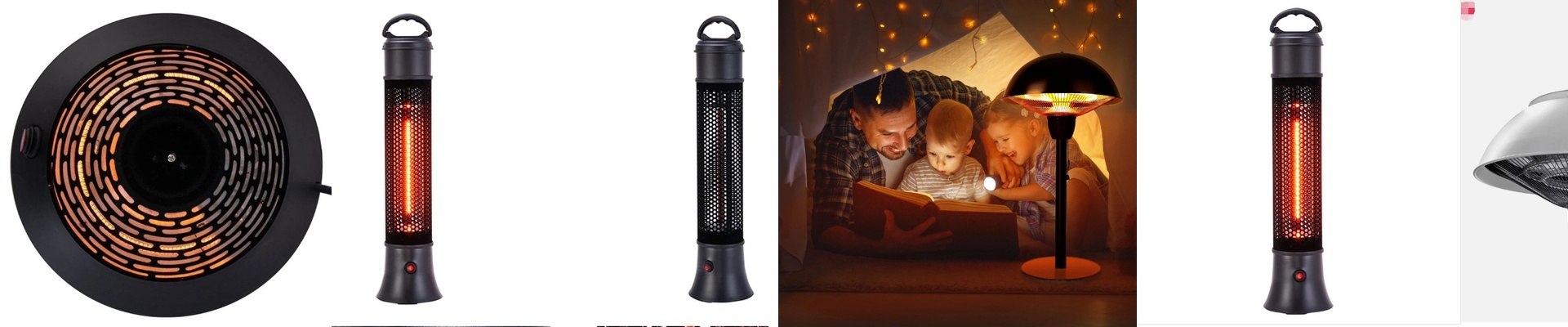
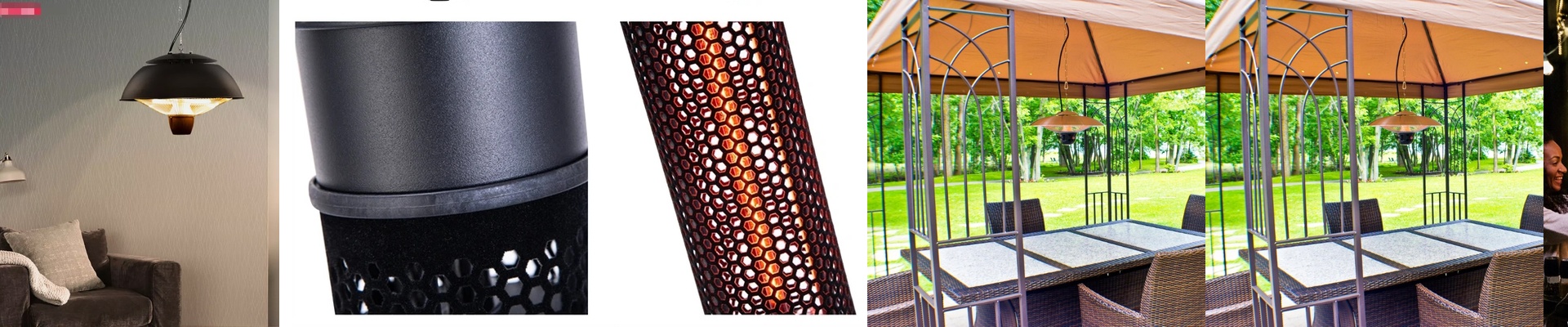
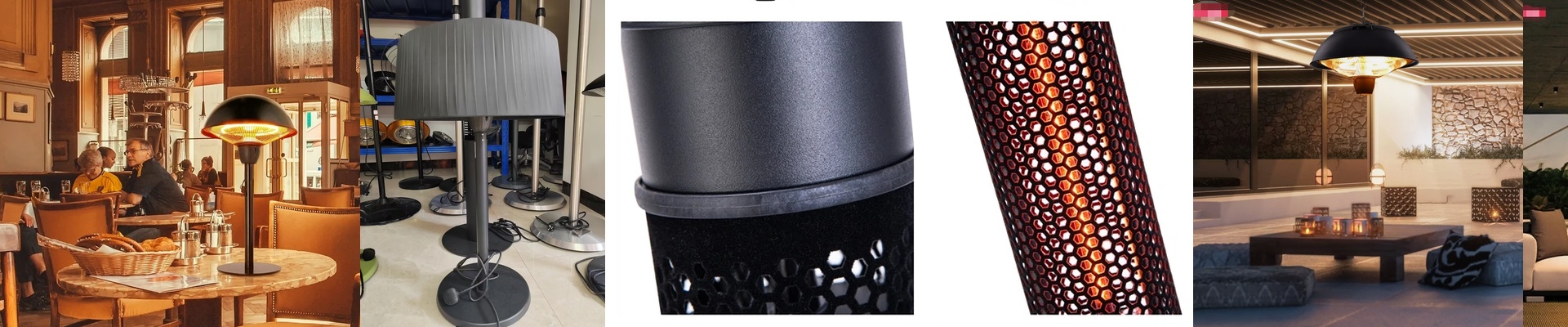
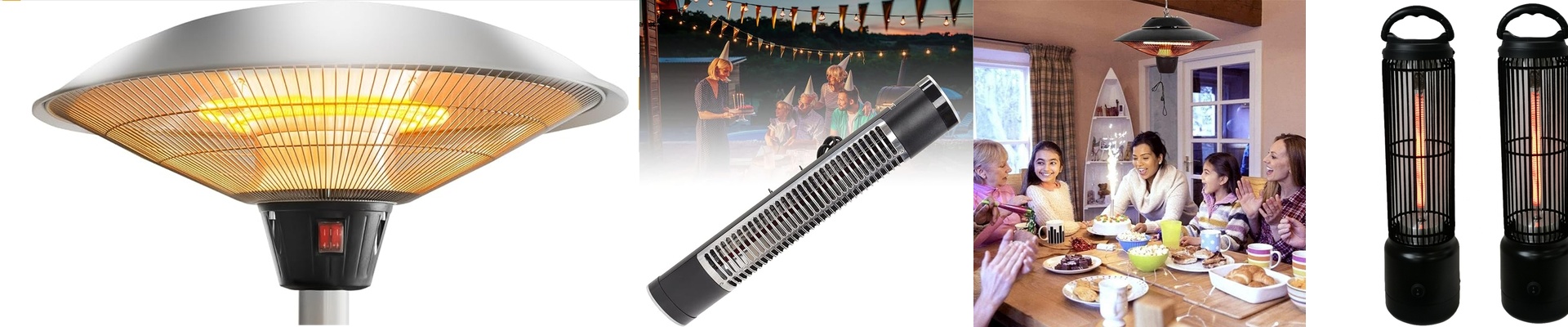
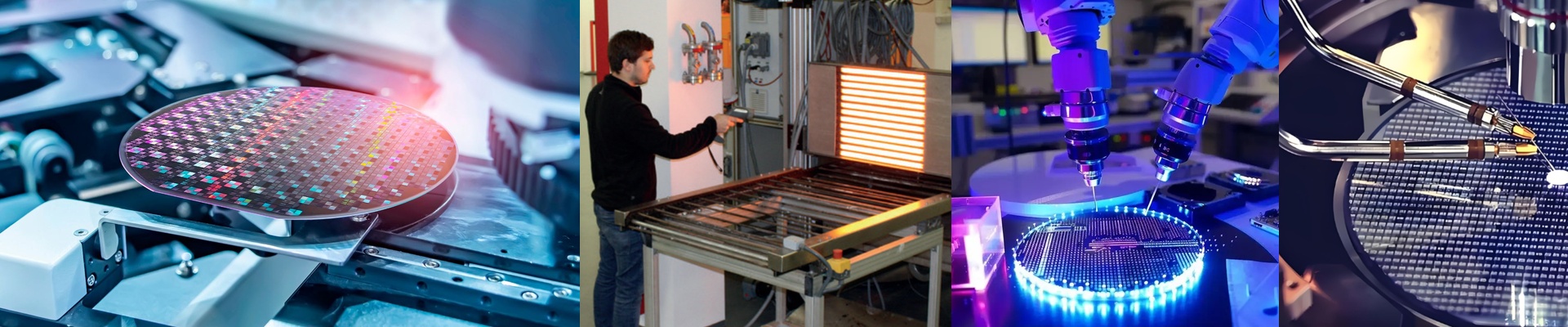
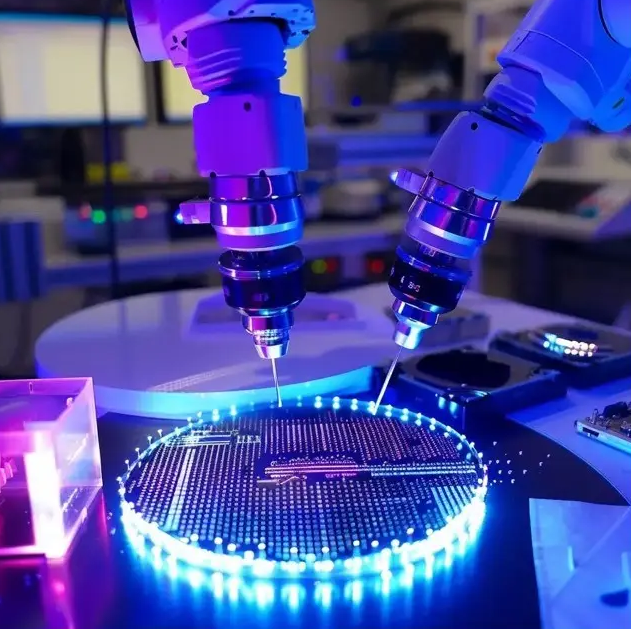
On the lithography floor, a 0.3°C drift during the photoresist bake is the kind of thing that turns a controlled run into scrap. Wafer thermal budget isn’t negotiable—you either hold it or you pay for it. We built our infrared quartz lamps around that reality, because the process demands repeatable heat, period. What matters, technically We run short-wave infrared quartz emitters for rapid, direct energy transfer with sub-second response. Across the wafer, thermal uniformity holds within ±0.1°C, and cycle-to-cycle repeatability stays within ±0.5°C. The lamp body and reflector geometry are engineered to cut down stray heat and shadowing, so the thermal profile stays aligned with the patterned field. Output is stable from 200°C to 650°C with tight spectral control, which protects photoresist integrity during both soft bake and hard bake. Cleanroom-ready construction keeps particle generation low, so it plays nice in Class 1–100 environments. Why it works in production In the fab, the lamp drops into coat/bake tracks and stand-alone bake stations without a rework cycle. Fast ramp-up shortens bake time, which boosts throughput while you hold critical dimension control. Energy use falls because the heat goes exactly where it’s needed, and the emitter life stretches out under controlled thermal stress—meaning fewer surprises and less unplanned downtime. The payoff is fewer rework lots, specs that stay tight across the lot, and maintenance windows you can actually plan around. The things you actually need to watch Installation comes down to respecting thermal clearances and coolant routing so the baseplate and optics stay at a stable temperature. Make sure voltage and connector compatibility line up with your tool; mismatched terminations will create hot spots that eat away at uniformity. Plan for periodic reflector inspection and emitter calibration—this isn’t plug-and-play. When you align it to the process window, the lamp delivers the stability wafer fabrication has to have.
লিথোগ্রাফি ফ্লোরে, ফটোরেসিস্ট বেকিং চলাকালীন 0.3°C ড্রিফ্ট এমন একটি বিষয় যা নিয়ন্ত্রিত রানকে স্ক্র্যাপে পরিণত করে। ওয়েফার থার্মাল বাজেট নিয়ে কোনও আপস নেই—আপনি হয় এটি ধরে রাখবেন বা এর জন্য মূল্য দিতে হবে। আমরা আমাদের ইনফ্রারেড কুয়ার্টজ ল্যাম্পগুলি সেই বাস্তবতার ভিত্তিতে তৈরি করেছি, কারণ প্রক্রিয়াটি পুনরাবৃত্তি হওয়া তাপের দাবি করে, এটা শেষ কথা।
প্রযুক্তিগত দিক থেকে যা গুরুত্বপূর্ণ আমরা দ্রুত, সরাসরি শক্তি স্থানান্তরের জন্য শর্ট-ওয়েভ ইনফ্রারেড কুয়ার্টজ এমিটার ব্যবহার করি যা সাব-সেকেন্ড প্রতিক্রিয়া সময় দেয়। ওয়েফার জুড়ে, তাপমাত্রার একরূপতা ±0.1°C এর মধ্যে থাকে, এবং সাইকেল-টু-সাইকেল পুনরাবৃত্তি ±0.5°C এর মধ্যে বজায় থাকে। ল্যাম্পের বডি এবং রিফ্লেক্টর জ্যামিতি এমনভাবে ডিজাইন করা হয়েছে যাতে বিচ্ছিন্ন তাপ এবং ছায়া কমে, ফলে তাপমাত্রার প্রোফাইল প্যাটার্ন করা ক্ষেত্রের সাথে সঠিকভাবে সামঞ্জস্য থাকে। আউটপুট 200°C থেকে 650°C পর্যন্ত স্থিতিশীল থাকে কঠোর স্পেকট্রাল কন্ট্রোলের মাধ্যমে, যা সফট বেক এবং হার্ড বেক উভয়ের সময় ফটোরেসিস্টের অখণ্ডতা রক্ষা করে। ক্লিনরুম-রেডি নির্মাণ কণা উৎপাদন কম রাখে, তাই এটি ক্লাস 1–100 পরিবেশে সুষ্ঠুভাবে কাজ করে।
উৎপাদনে কেন এটি কার্যকর ফ্যাব্রিকেশন ইউনিটে, ল্যাম্পটি কোট/বেক ট্র্যাক এবং স্ট্যান্ড-অ্যালোন বেক স্টেশনে পুনঃকাজ ছাড়াই ইনস্টল হয়। দ্রুত র্যাম্প-আপ বেক টাইম কমায়, যা থ্রুপুট বাড়ায় এবং ক্রিটিক্যাল ডাইমেনশন নিয়ন্ত্রণ ধরে রাখে। শক্তি ব্যবহারে পতন ঘটে কারণ তাপ ঠিক যেখানে দরকার সেখানে যায়, এবং এমিটার জীবন নিয়ন্ত্রিত তাপমাত্রার চাপের অধীনে দীর্ঘায়িত হয়—অর্থাৎ কম অনাকাঙ্ক্ষিত ঘটনা এবং কম অনিয়োজিত ডাউনটাইম। ফলাফল হলো কম পুনঃকাজের ব্যাচ, ব্যাচ জুড়ে স্পেসিফিকেশনগুলো শক্তিশালী থাকা, এবং এমন রক্ষণাবেক্ষণ সময়সীমা যা আপনি প্রকৃতপক্ষে পরিকল্পনা করতে পারেন।
আপনাকে যেসব বিষয় নজর রাখতে হবে ইনস্টলেশনে থার্মাল ক্লিয়ারেন্স এবং কুল্যান্ট রাউটিং সম্মান করা জরুরি যাতে বেসপ্লেট এবং অপটিক্স স্থিতিশীল তাপমাত্রায় থাকে। আপনার টুলের ভোল্টেজ এবং সংযোগের সামঞ্জস্য নিশ্চিত করুন; ভুল ম্যাচ করা টার্মিনেশন তাপমাত্রার অনিয়ম সৃষ্টি করবে যা একরূপতাকে ক্ষতিগ্রস্ত করবে। নিয়মিত রিফ্লেক্টর পরিদর্শন এবং এমিটার ক্যালিব্রেশন পরিকল্পনা করুন—এটি প্লাগ-অ্যান্ড-প্লে নয়। যখন আপনি এটিকে প্রক্রিয়া উইন্ডোর সাথে সামঞ্জস্য করবেন, তখন ল্যাম্প ওয়েফার ফ্যাব্রিকেশনের জন্য প্রয়োজনীয় স্থিতিশীলতা প্রদান করবে।